Army to Step In as Ambulance Strikes Loom This Christmas
The government is calling in military personnel to plug staffing gaps and keep front-line ambulance services running during two big strike days in England and Wales. On December 21 and 28, around 10,000 ambulance workers will walk out over pay disputes, threatening chaos just before Christmas.
Unions Slam Military Cover as “No Substitute”
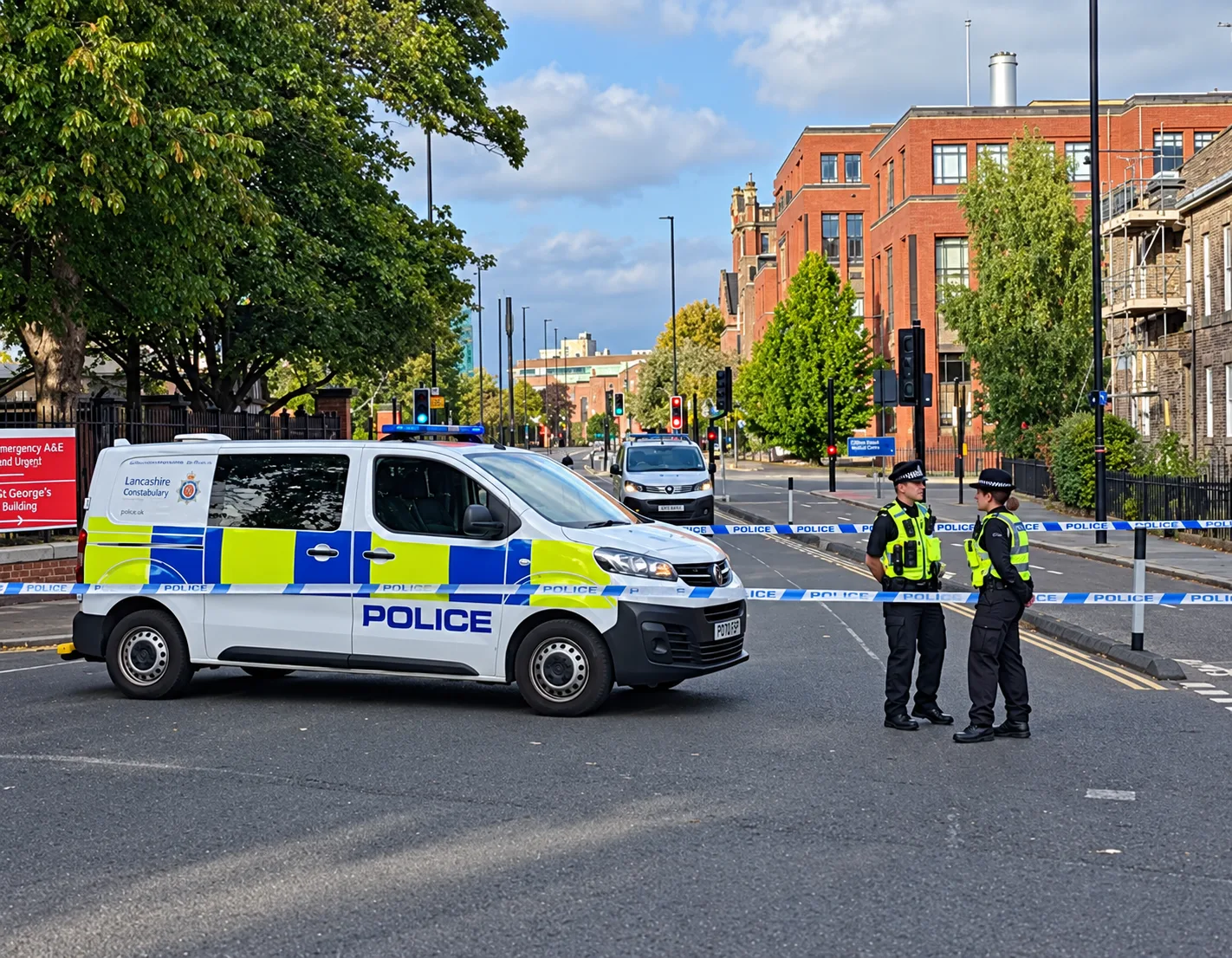
Unions have slammed the government’s plan to use Army, Navy, and RAF staff to drive ambulances and provide support, warning they are not “sufficiently trained” for the job. About 600 armed forces members are expected to step in behind the wheel, with 150 on logistics. Community first responders will also help manage demand.
“The hours spent on contingency planning could have been better spent trying to prevent the strikes from happening,” said Unison’s health chief Sara Gorton.
Admiral Sir Tony Radakin, Chief of Defence Staff, warned troops shouldn’t be seen as the “go-to” solution. “We don’t have any extra capacity. We’re busy and need to focus on our primary role,” he said. But Health Secretary Steve Barclay stressed his “top priority” is keeping patients safe, saying the government is “stepping up preparations” to minimise disruption.
Border Force and Other Workers Join the Christmas Strike Storm
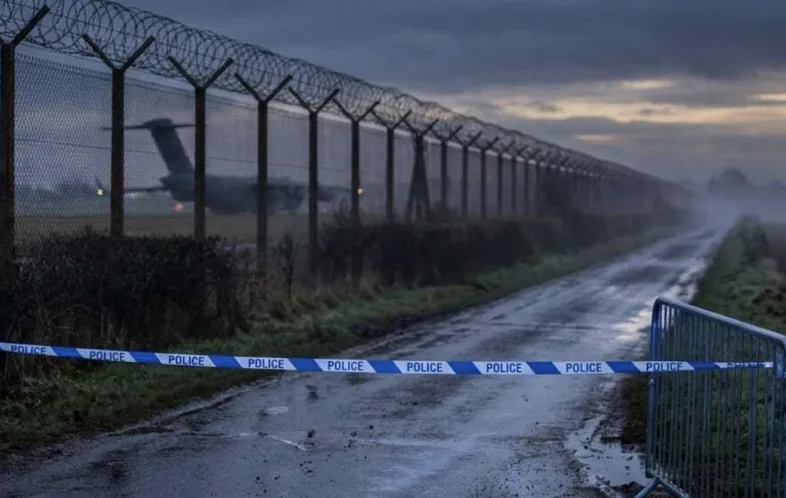
Adding to the festive chaos, Border Force staff plan an eight-day strike from December 23 to 31, hitting airports in Birmingham, Cardiff, Glasgow, Gatwick, Heathrow, and Manchester, plus the Port of Newhaven. Around 1,000 passport control staff will walk out in protest at a 2% pay rise offer.
Passengers face major delays with some airlines already halting ticket sales for inbound flights at Heathrow during strike days. The government warns travellers to expect disruption and plan ahead.
NHS Brace for Big Disruption as Nurses Also Walk Out
It’s not just ambulances and border staff. Nurses across England, Wales, and Northern Ireland struck last week and are set to hit again on December 20. The Royal College of Nursing threatens more strikes in the New Year if pay talks don’t start within 48 hours of the latest action.
Despite pay offers recommended by independent review bodies of around 4.75%, inflation topping 10% means workers face a real-terms pay cut, fuelling fury and further industrial action.
Government Launches New Resilience Plan in Response
In a bid to better prepare for strikes and other disruptions, the Cabinet Office announced a new “resilience framework” launching soon. It aims to unite government, infrastructure providers, private sector, charities, and the public to tackle critical risks head-on.
Hospitals have been told to free up beds ahead of ambulance strikes to ease pressure on emergency departments and help paramedics get back on the road quicker. NHS trusts are working with unions to maintain safe service levels during the walkouts.
Health Secretary Barclay called the strikes “deeply regrettable” and insisted the government is “open to further discussions” — but says the pay demands are simply “not affordable” for taxpayers.