Met Police Slammed Over Handling of Missing Teen’s Case
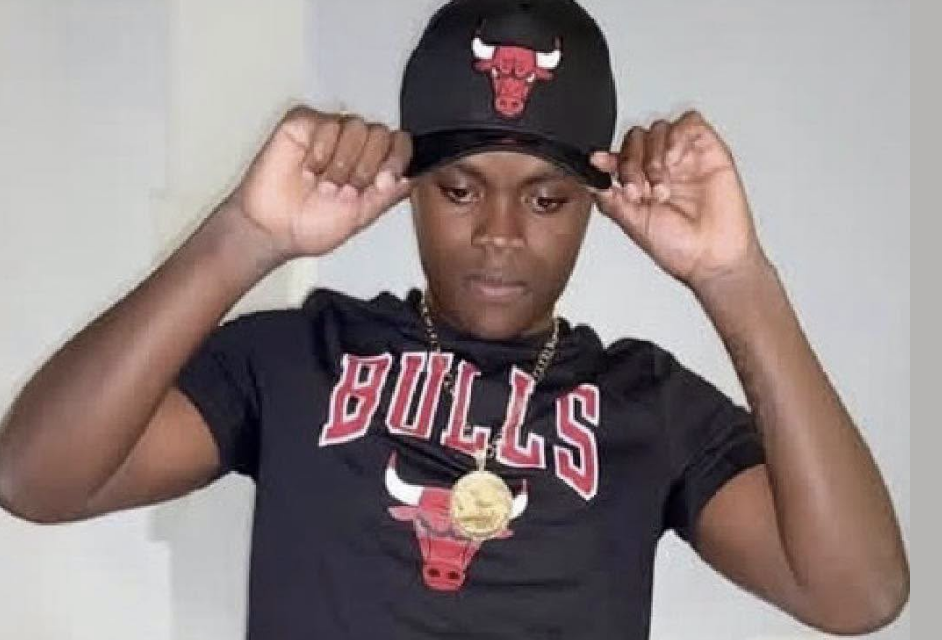
The tragic case of 19-year-old Richard Okorogheye has exposed shocking failings by the Metropolitan Police. Richard’s body was found in Epping Forest on 22 March 2021, two weeks after he vanished from his west London home.
Police Watchdog Unearths ‘Unacceptable’ Service
Following Richard’s disappearance, an Independent Office for Police Conduct (IOPC) investigation blasted officers for providing “an unacceptable level of service.” The probe revealed police mishandled critical details including Richard’s medical condition, sickle cell anaemia, and were sluggish to declare him missing.
Mother Slams Met’s Apology as ‘Not Accepted’
Richard’s mother, Evidence Joel, rejected the Met’s apology outright. She said:
“The IOPC investigation confirmed what I always knew – in the darkest period of my life, I was dismissed by multiple Metropolitan Police staff at all levels. My son’s disappearance was not taken seriously.”
She added that despite the watchdog and Met admitting police performance by three officers and three call handlers fell below expected standards, it is “a source of deep regret.”
Key Failings Revealed by IOPC
- Richard was wrongly classed as low risk for too long; risk levels only rose from low to high four days after he was reported missing.
- Call handlers misrecorded his sickle cell anaemia as just “anaemia”.
- Police delayed passing crucial medical info to the right teams.
- A call handler made the cruel comment to Evidence Joel: “If you can’t find your son, how do you expect us to?”
- Officers failed to fully record Richard’s GP’s worries about his health risks.
- Despite his mother’s concerns that racism influenced the slow response, the Met has not publicly addressed this.
Met Deputy Boss Issues Apology
Bas Javid, Met’s deputy assistant commissioner, admitted the force fell short. He said:
“I would like to apologise for the distress caused by the substandard level of service, as highlighted by the Independent Office for Police Conduct.”
“It is clear the service we provided following Richard’s disappearance was not up to public standards. He wasn’t classified as missing quickly enough; risk updates were delayed; communications with his mother were poor, and sadly one officer made an insensitive, inappropriate comment.”
This devastating case underscores how crucial it is for police to act swiftly and sensitively when vulnerable lives are at stake.