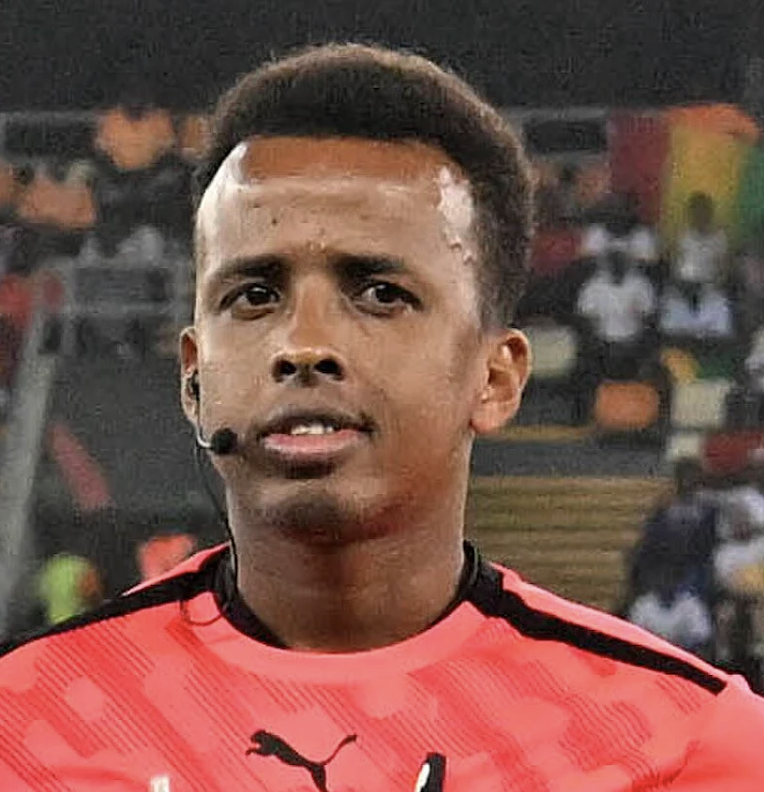
Somali referee Omar Abdulkadir Artan, hailed as Africa’s best, was barred from the 2026 FIFA World Cup after US border officials at Miami International Airport denied him entry, citing a suspected link to terrorism. Despite holding valid FIFA credentials and undergoing an 11-hour immigration interview, Artan was sent back to Somalia amid confusion over his name matching that of a suspected al-Shabaab extremist.
The incident highlights immigration challenges for athletes amid security concerns.
Name Confusion Sparks Ban
It’s been revealed that US authorities flagged Artan due to the similarity of his name to an individual on the Office of Foreign Assets Control’s sanctions list linked to al-Shabaab, an al-Qaida-backed group. An immigration lawyer explained that this triggered intense questioning.
Artan insisted he had no connection to any extremist group, presenting official FIFA documents and photos during his interview.
Denied Entry Without Explanation
After hours in a separate detention cell, Artan was abruptly put on a flight back to Istanbul with no formal explanation given. It comes after derogatory information was found during checks, making him ineligible to enter under the Immigration and Nationality Act.
This reflects ongoing heightened US security measures for visitors from Somalia, including on a travel ban list.
Fifa Unable To Intervene
Initially, FIFA stated Artan’s case was “fully resolved”, and he would participate in the World Cup.
However, it was later confirmed he would be unable to officiate after the US’s refusal. The football body emphasised that the host country’s immigration policies are beyond its control.
Many viewed Artan’s denial as a major blow to the official’s career and the tournament’s inclusivity.
Heroes Welcome In Somalia
Back in Somalia, Artan received a warm welcome with crowds and officials celebrating his return. He defiantly held up a Somalian flag, expressing deep disappointment but pride in his identity.
Artan remarked, “I’m just simply a referee trying to live the biggest dream of my life at the World Cup. I had the right papers and visa.” His case echoes wider tensions over visa refusals affecting other international sports figures from banned nations.