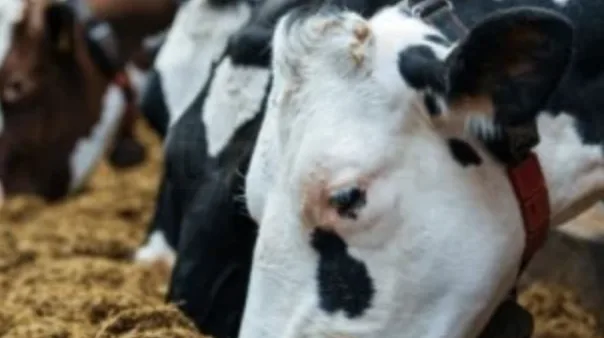
UK Cracks Down on Bluetongue Outbreak with Emergency Vaccines
The UK government has launched a bold fight against the latest bluetongue virus outbreak by green-lighting three unauthorised vaccines in Norfolk, Suffolk, and Essex. Announced on September 4, this swift move aims to curb the livestock disease spreading across these hotspots.
Vaccines Cut Symptoms but Don’t Stop Infection
These newly authorised vaccines target bluetongue serotype 3 (BTV-3) and are designed to suppress symptoms rather than offer full immunity. That means the animals might still catch and pass on the virus despite vaccination.
Strict Zones and Movement Bans Locked In
Chief Veterinary Officer Christine Middlemiss has declared restricted zones across the affected areas, where tough rules on moving ruminants, camelids, and reproductive materials remain in force. Vaccination doesn’t ease these controls.
“These vaccines are a crucial step in helping to reduce the impact of the virus on farms, but it is not a protective vaccine. We urge farmers to follow all guidance to prevent further spread.” – Christine Middlemiss, Chief UK Veterinary Officer
Licence Distribution and Farmer Alerts
- Animal Plant Health Agency (APHA) will issue vaccine licences, focusing on the highest-risk zones or on individual cases.
- Farmers must stay alert for signs of infection and report any suspicions immediately.
- Free testing is available to help spot new outbreaks fast.
- Strict biosecurity and movement measures remain vital.
For the latest updates and advice, farmers should contact their vets or reach out to APHA directly. The fight against bluetongue is far from over, but these emergency steps could turn the tide.