Chaos and Delay: Manchester Arena Bomb Victims ‘Waited in Vain’ for Rescue
Emergency Response ‘Far Below Standard’
A damning second inquiry has slammed the emergency response to the 2017 Manchester Arena terror attack. Victims were left “waiting in vain” and “desperate for rescue” that never came, says the report. The failures in coordination and communication meant at least one of the 22 victims’ deaths could have been avoided.
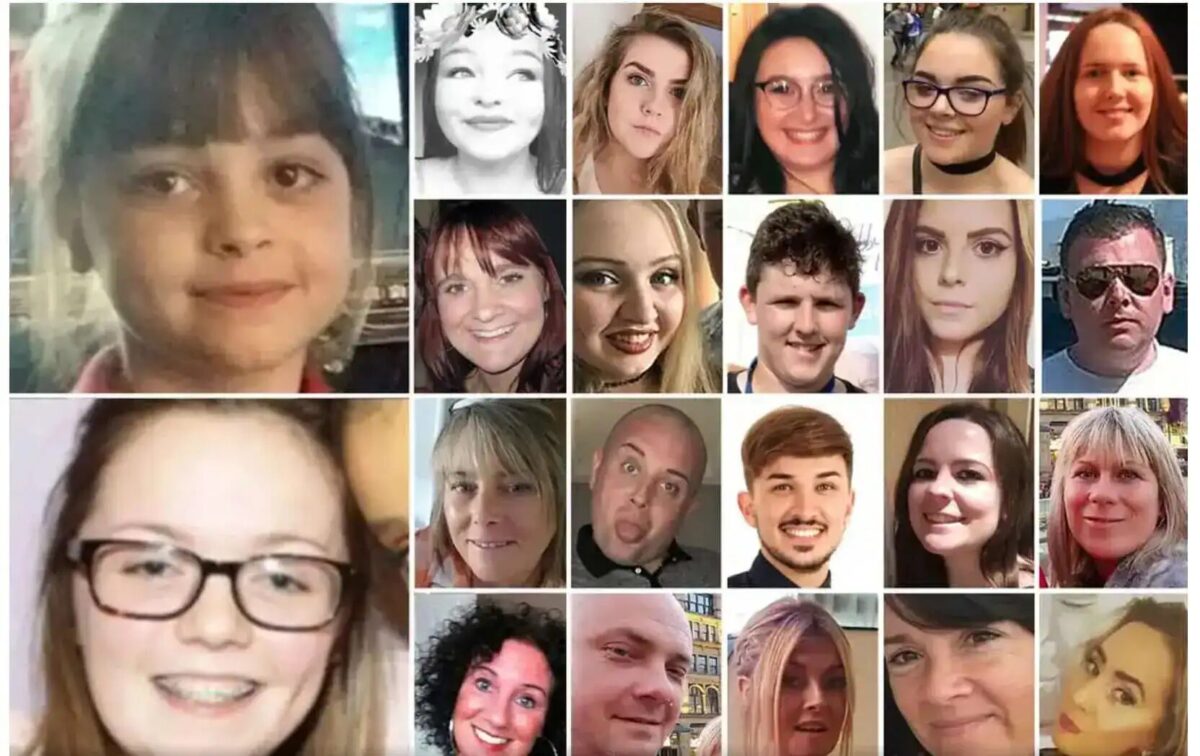
The suicide bomber Salman Abedi exploded his device at the end of an Ariana Grande concert, killing 22 people including eight-year-old Saffie-Rose Roussos and 28-year-old John Atkinson.
The inquiry revealed that paramedics and fire crews were delayed and not deployed properly due to a “loss of communication” between emergency services. Those trapped heard “ambulance sirens outside” while help failed to reach them in time.
Lives Could Have Been Saved, Inquiry Finds
The report concluded that Saffie-Rose might have survived with a different rescue approach. John Atkinson “would have probably lived” if he’d been hospitalised sooner and if the response had been better coordinated.
“A great lot went wrong,” said Sir John Saunders, chairman of the inquiry. “The emergency services’ performance was far below the standard that it should have been.”
“Their best was not good enough in some situations.”
He praised the “heroic gestures” of bystanders risking their own lives to aid victims. Describing the City Room scene as a “war zone,” he said helping the injured “took considerable fortitude.”
Who Dropped the Ball?
The inquiry fingered Greater Manchester Police (GMP), Greater Manchester Fire and Rescue Service (GMFRS), and North West Ambulance Service (NWAS) for their failings:
- GMP failed to lead the response effectively or follow official guidance.
- GMFRS arrived late, missing the critical moment when help was most needed.
- NWAS sent too few paramedics into the City Room.
Issues included poor radio communication, failure to notify services about the initiation of “Operation Plato” (terror attack response), and delays in bringing stretchers and ambulances.
Sir John acknowledged the huge pressure responders were under but stressed the need to learn from these mistakes to avoid repeats in future crises.
Urgent Calls for Reform
The exhaustive 900-page report, based on 172,000 documents and testimony from 291 witnesses, offers 149 recommendations:
- Update and assess major incident plans at least every six months.
- Include non-specialists in multi-agency training exercises.
- Implement high-fidelity training simulating real terror attacks for responders.
- Encourage a culture of rapid response over risk aversion unless absolutely necessary.
Sir John stressed the “starkly clear” differences in risk assessments between emergency services that affected how and when they acted.
This report delivers a sobering look at failures that cost lives but offers a roadmap to ensure tragedy like Manchester Arena is met with swifter, better-coordinated rescue efforts next time.