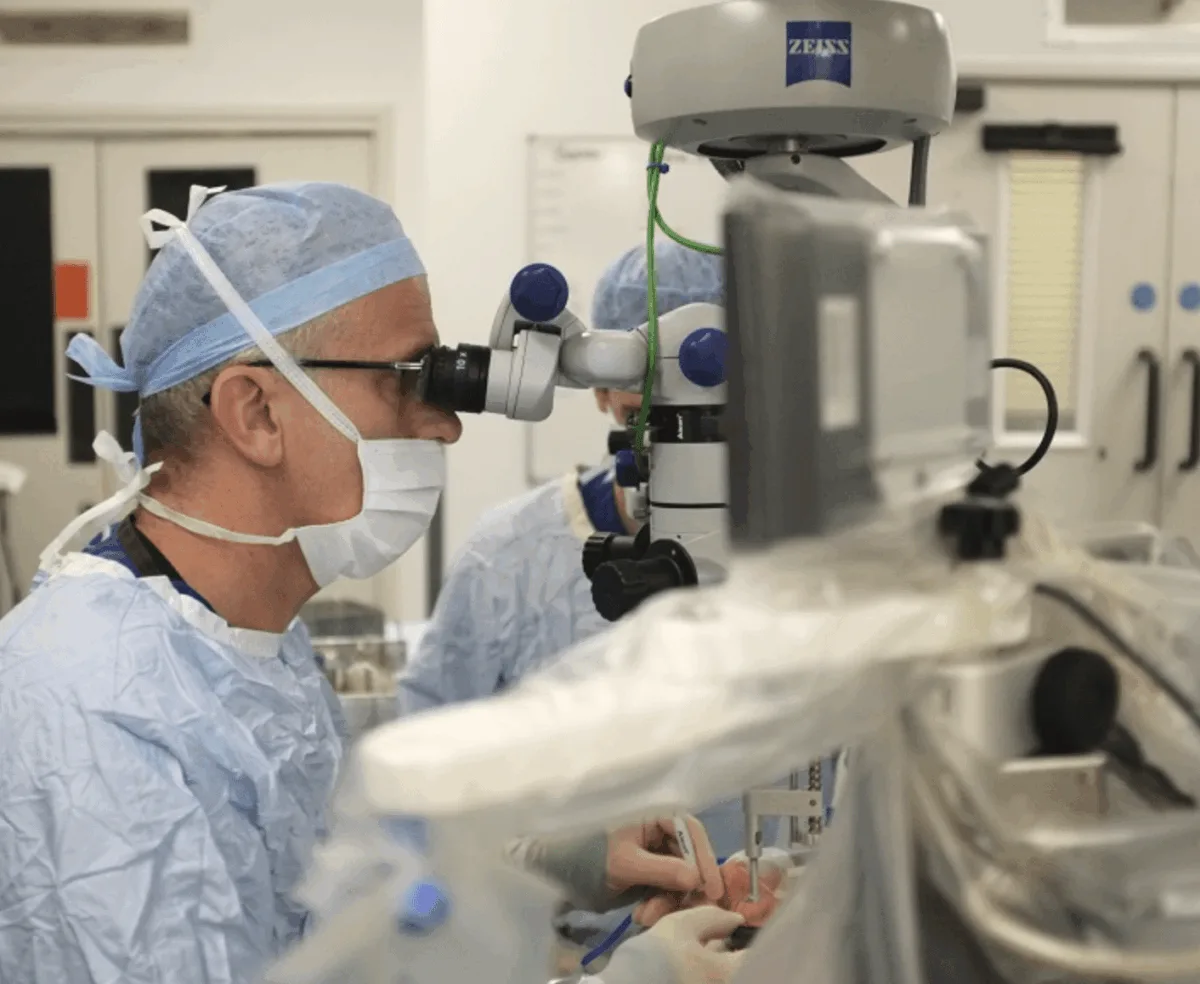
The UK is stepping into the future with a groundbreaking robot that grows stem cells, promising safer and cheaper treatments for a range of diseases. The Medicines and Healthcare products Regulatory Agency (MHRA) is trialling the CellQualiaTM Intelligent Cell Processing System — the only one outside Japan, where it was invented.
Stem Cells: The Miracle Makers
Stem cells can transform into different specialised cells, repairing damage caused by diseases. They have already shown promise in restoring eyesight after corneal disease. But producing stem cell treatments is tricky and costly, limiting availability worldwide.
Game-Changer for Degenerative Diseases
Most current therapies for conditions like Parkinson’s focus on slowing damage rather than repairing it. This new robotic system could flip the script by making stem cell manufacturing faster, safer, and more consistent — offering fresh hope for millions.
UK Leads the Way in Global Stem Cell Research
The MHRA trial is part of an international UK-based project launched in 2021. It brings together the MHRA, Scottish start-up SAKARTA, Tokyo’s Sinfonia Technology, and Kobe’s Foundation for Biomedical Research and Innovation. Over 12 months, the UK Stem Cell Bank will test if cells grown by the robot meet strict standards for future life-saving treatments.
Marc Bailey, MHRA Chief Scientific Officer, said:
“At the MHRA, we’re committed to leading cutting-edge science to bring safe and effective treatments to those who need them most.
Cell-based therapies could cure countless diseases but are held back by complex manufacturing.
This Intelligent Cell Processing System, one of just two worldwide, could simplify production, cut human error, and ensure more reliable treatments.
We look forward to sharing our test results soon.”
Health and Social Care Secretary Steve Barclay added:
“This pioneering robot could fast-track access to affordable, safer stem cell therapies.
By replacing damaged or lost cells, it could transform lives for tens of thousands with Parkinson’s and other devastating illnesses.
The UK is only the second country testing this tech, thanks to MHRA-industry collaboration — a prime example of clinical research driving the latest breakthroughs.”