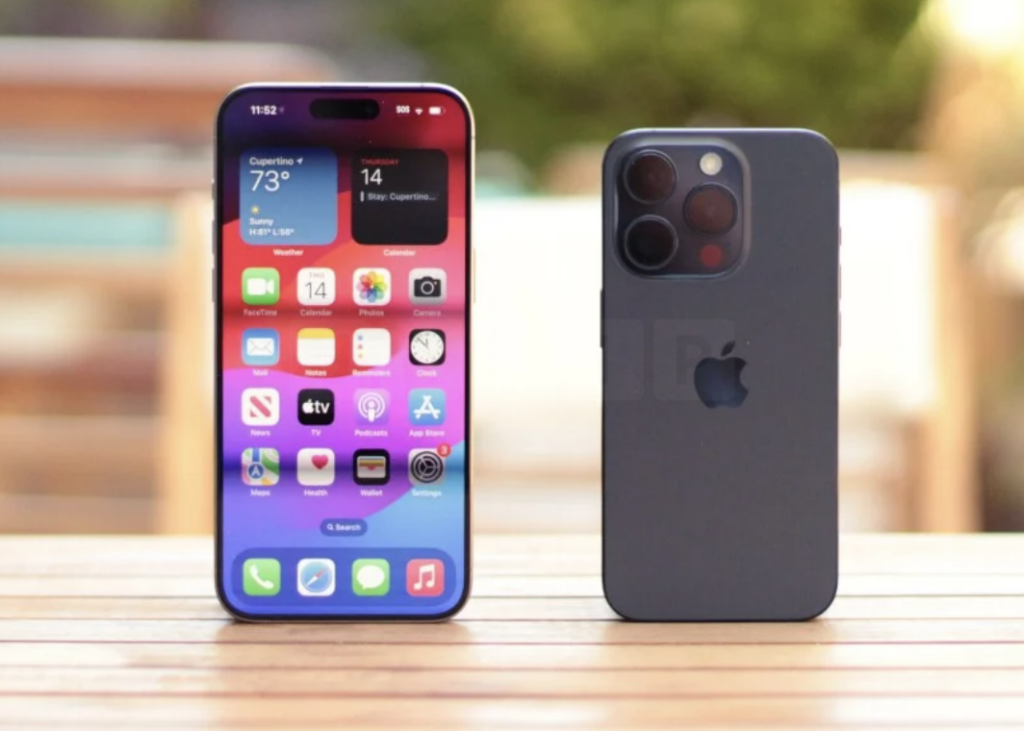
In the wake of a clandestine cyberattack targeting millions of iPhone and Android users, authorities issue an urgent warning, advising individuals to take precautionary measures to safeguard their devices.

The National Security Agency (NSA) has endorsed a simple yet effective method to counter ‘zero-click’ hacks, which involve the deployment of spyware onto users’ phones without the need for any direct interaction. The remedy? Regularly rebooting devices is a practice that temporarily clears the background caches of data that may harbour vulnerabilities exploited by hackers.

Accompanying this advice is a series of additional precautions. Users are urged to exercise caution when connecting to public WiFi networks and to ensure their phone’s software and apps are regularly updated to patch potential security loopholes.

Android and iPhone users are advised to reboot their devices weekly and to disable WiFi and Bluetooth when not in use to minimize susceptibility to cybersecurity threats. Criminals exploit zero-click exploits to infiltrate devices clandestinely, harvesting sensitive data without necessitating user interaction.

In an NSA document outlining steps to mitigate cyberattack risks, rebooting phones emerges as a lesser-known yet potent method. Unlike conventional malware, zero-click attacks operate stealthily, bypassing the need for user engagement.

Hackers leverage software vulnerabilities to gain unauthorized access to devices, deploying malicious files surreptitiously. By rebooting devices, users force the closure of all applications and log out of sensitive accounts, erecting barriers against data breaches.

The reboot method also serves as a defence against spear-phishing attacks, where fraudsters target individuals with fraudulent emails to pilfer sensitive information such as login credentials.

Despite the efficacy of these measures, the NSA underscores the importance of continuous vigilance. While not foolproof, these strategies offer partial protection against certain malicious activities.

The advice extends beyond device reboots. Users are urged to disable Bluetooth when not in use, delete unused WiFi networks, and exercise caution when connecting to public WiFi to avoid SSID Confusion Attacks.

Moreover, robust security measures such as a strong lock screen and frequent software updates bolster device security. A minimum six-digit PIN, coupled with automatic data wiping after repeated incorrect attempts, fortifies defences against unauthorized access.

Furthermore, users are advised against opening email attachments or links from unknown sources, as these may install malicious software without user consent.

The Federal Communications Commission (FCC) echoes these sentiments, warning against tampering with factory settings or jailbreaking devices, which can compromise built-in security features and render devices more susceptible to attacks.

While these precautions offer a degree of protection, cyber threats continue to evolve in complexity and scale. Last year alone, 353 million individuals in the US fell victim to data compromises, underscoring the pervasive nature of cybersecurity risks.

The last major zero-click exploit occurred in 2021, targeting Apple’s iMessage app. This sophisticated attack exploited vulnerabilities in image processing, bypassing security features designed to thwart such incursions.

In response, Apple initiated legal action against NSO Group, an Israeli cyber-intelligence firm specializing in zero-click exploits, such as its proprietary spyware Pegasus.

As cyber threats evolve, vigilance and proactive measures remain essential in safeguarding personal data and digital assets against malicious actors.

We are your go-to destination for breaking UK news, real-life stories from communities across the country, striking images, and must-see video from the heart of the action.

Follow us on Facebook at for the latest updates and developing stories, and stay connected on X (Twitter) the for live coverage as news breaks across the UK.

Topics :Crown Court

SIGN UP NOW FOR YOUR FREE DAILY BREAKING NEWS AND PICTURES NEWSLETTER

Your information will be used in accordance with our Privacy Policy

YOU MIGHT LIKE