29 Energy Firms Collapse, Leaving Millions on the Hook for £2.7bn Bailout
Ofgem Slammed for Slow Response as Energy Crisis Hits Home
Despite early signs of trouble back in 2018, Ofgem dragged its feet on tightening rules for energy suppliers. New supplier regulations didn’t come in until 2019, and existing firms faced tougher rules only by 2021 — just as wholesale gas and electricity prices soared to record highs. The Public Accounts Committee (PAC) blasted Ofgem for this delay, blaming the watchdog for a regulator “failure” that’s left millions paying the price.
Energy Supplier Failures Rock Four Million Households
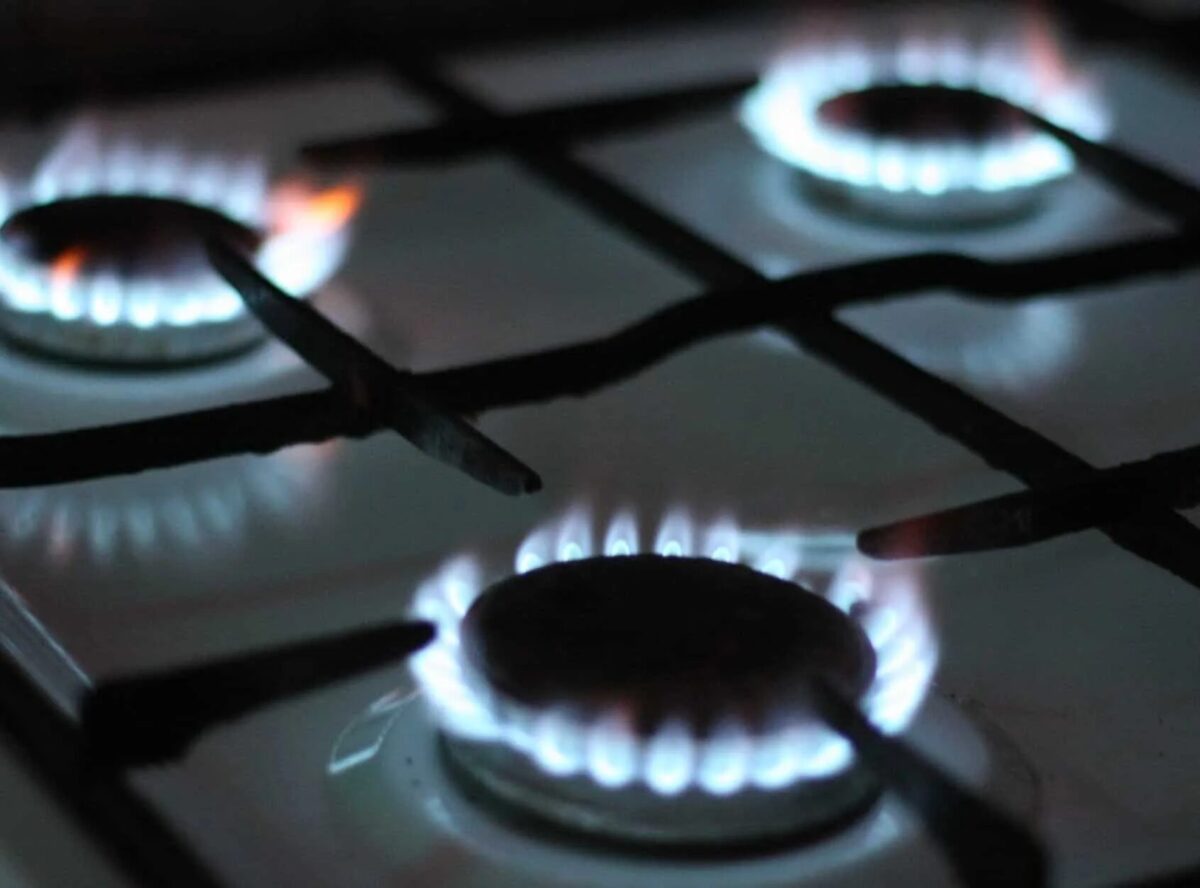
Since July last year, 29 energy companies have gone bust, leaving around four million households scrambling for new deals. The fallout? A hefty £2.7 billion cost, passed straight onto consumers. That amounts to an extra £94 per household — and it’s set to rise.
Price Cap Offers Little Shield from Rising Bills
The PAC slammed the energy price cap as a “weak shield,” providing “very limited protection” against rocketing wholesale energy costs. With prices forecast to worsen throughout 2023, vulnerable customers—already paying more—face an “unacceptable” squeeze, the committee warned.
“It is true that global factors caused the unprecedented gas and electricity prices that have caused so many energy supplier failures over the last year, at such terrible cost to households,” said PAC chairwoman Dame Meg Hillier. “But the fact remains that we have regulators to set the framework to shore us up for the bad times.”
Calls for Urgent Action and Overhaul
The PAC demands that within six months, the government and Ofgem present a clear plan putting customers first—overhauling the energy market and speeding up the shift to net zero.
Rocio Concha of Which? agrees a long-term fix is vital. “While extra help and the price cap gave short-term relief, it’s clear we need a lasting solution to soaring bills,” she said. “The government and regulator must urgently review energy pricing and build a fair, affordable system. Accelerating home insulation programmes would also help households save on energy costs for years.”