IOPC Reopens Probe into Police Blunders Ahead of Triple Murder Tragedy
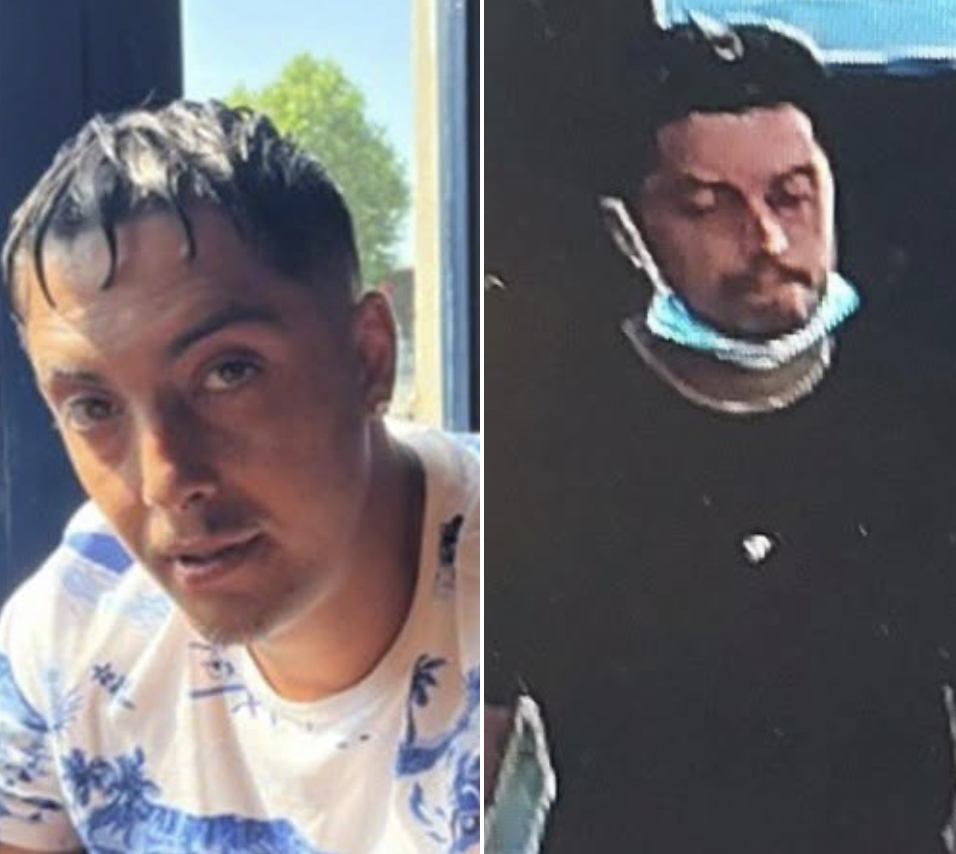
The Independent Office for Police Conduct (IOPC) has slammed the brakes on its earlier inquiry, reopening the investigation into Leicestershire Police’s bungled handling of assault claims against Valdo Calocane. New evidence handed over by the force has forced this dramatic about-turn.
Shock Assaults Ignored Before Fatal Nottingham Rampage
The assault allegations relate to a violent attack on two co-workers in Kegworth back in May 2023. Just weeks later, on June 13, Calocane ruthlessly killed Ian Coates, Grace O’Malley-Kumar, and Barnaby Webber in Nottingham.
Bereft families demanded fresh scrutiny, triggering the IOPC to probe deeper after Leicestershire Police disclosed evidence previously kept under wraps.
Original Inquiry Halted Amid New Revelations
The IOPC’s initial investigation, concluded last September, found three Leicestershire officers should face misconduct hearings. Those proceedings were put on ice after fresh facts emerged.
The reopened probe will focus on whether officers had access to crucial info about Calocane’s violent past and an outstanding arrest warrant but either missed or ignored it before closing the case.
IOPC Director Derrick Campbell Speaks Out
“We stand with the families of Ian, Barnaby, and Grace. After receiving numerous appeals, we responded swiftly to provide more details. Transparency is key,” said Derrick Campbell.
“For the IOPC to reopen a case, significant new evidence must surface. Here, we’re digging into what police actually knew about Calocane, including the outstanding warrant. All parties affected have been informed, and we’re working as quickly as possible.”
Possible Police Discipline on the Horizon
The IOPC made clear no disciplinary actions will be decided until the new evidence is thoroughly analysed.
Campbell added: “Our Director General, Rachel Watson, has offered to meet the bereaved families to discuss these developments and ease concerns.”
This case shines a harsh spotlight on police oversight and whether vital warning signs were shamefully missed before Calocane’s deadly Nottingham spree.