There’s a moment most British people know well. You’re halfway through your morning coffee, phone face-up on the table, and the notifications start rolling in.
A major incident somewhere. A court verdict.
A train derailment. Before the cup is even finished, you’re three articles deep and already forming opinions.
Welcome to news consumption, UK style. Britain has developed one of the most voracious appetites for live news of any country in the world.
And over the past decade, that appetite has been fed not just by broadcasters and national papers, but by an entirely new layer of content: citizen journalists, phone footage, and real-time social updates that often beat the professionals to the punch by twenty minutes.
The Rise of the Camera-Carrying Public
Not that long ago, photojournalism meant a trained professional with a press pass and a camera bag the size of a small suitcase. Today it means someone catching a building fire on their iPhone from their living room window and uploading it before the fire engines have even arrived.
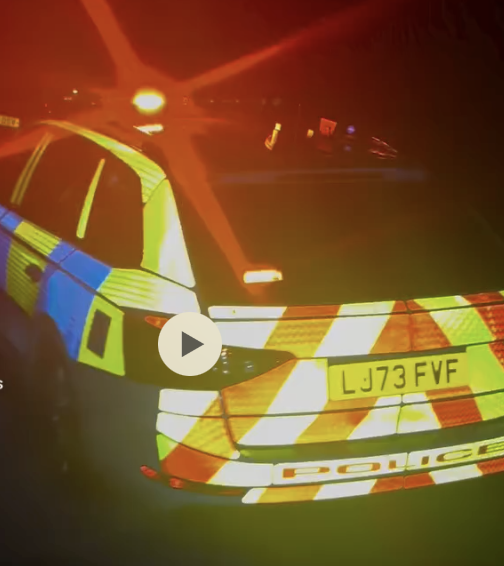
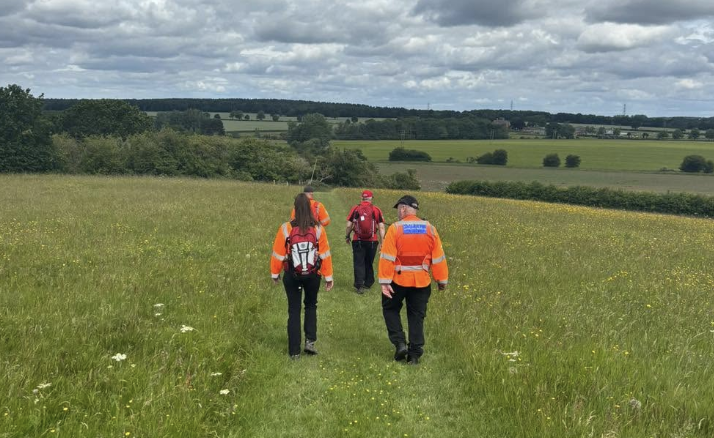
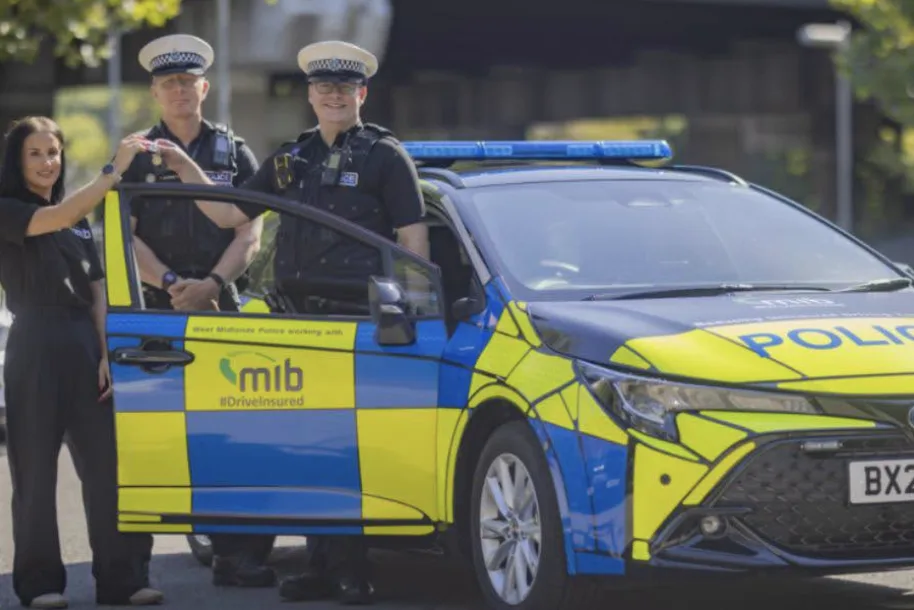
This shift has been profound. Platforms dedicated to UK news in pictures have grown substantially because people trust what they can see.
Raw footage. Unedited photographs from the scene.
That visual immediacy carries a weight that a polished studio package sometimes cannot match. When something breaks in London, Liverpool or Leeds, there are likely dozens of phones capturing it from different angles within seconds.
The upside is obvious: faster information, more perspectives, more accountability. The downside is that the firehose never really turns off.
There’s always another incident, another court case, another piece of political drama. For the news-literate British public, staying informed has started to feel less like a civic duty and more like a full-time job.
Heavy News and the Mental Load It Carries
Psychologists have written about this. The phenomenon of “headline stress disorder” is real enough to have entered mainstream conversation.
When every breaking alert could be genuinely significant, your nervous system starts treating the notification sound as a low-level threat signal. That’s exhausting over time.
And it’s not as though the UK news landscape has been particularly gentle in recent years. Economic pressures, political turbulence, court cases that play out over months, live incidents that grip entire regions.
The content is serious, often distressing, and it follows people home in a way that newspaper editions on a doorstep never quite did. So what do people actually do?
How does the average Brit who spends a chunk of their commute scrolling through crime reports and court updates decompress when the day winds down?
The Ways People Switch Off
This is where it gets interesting, because the answers are pretty varied. Some people are strict about it.
Phone down at 7pm, full stop. Others lean on old-fashioned habits: a walk, a pub session, a bit of cooking.
There’s something about the ritualistic quality of those activities that creates a psychological break that the screen simply cannot replicate. But plenty of people find their way back online by early evening, just in a very different corner of the internet.
Light entertainment, streaming, casual gaming, or browsing platforms that feel nothing like the news cycle. Online casinos and gaming sites sit in that category for a growing number of people.
The structure of a game, the contained risk of a quick session, and the complete absence of geopolitical stakes. It’s a mental gear change.
Some users specifically seek out casino bonus sites not on GamStop because they offer access to platforms outside the UK’s self-exclusion register, often with welcome offers that make the experience feel lower-stakes to begin with. For people who gamble recreationally and don’t need the restrictions of GamStop, these sites offer a flexible option for an evening’s entertainment unrelated to whatever the news cycle threw at them that day.
The Rhythm of a Newshound’s Day
It’s worth acknowledging the particular rhythm that heavy news consumption creates. Highs of engagement when something major breaks.
A kind of emotional plateau when stories drag on. A certain numbness sets in when the news feels unrelenting.
People who work adjacent to the news industry, or who follow it closely, know this rhythm well. And they’ve generally developed a toolkit for managing it.
Some are productive. Some are passive.
Most are a mix of both. What’s clear is that Britain’s relationship with breaking news, live incident coverage, and citizen photojournalism is only going to deepen.
The infrastructure for it gets better every year. More people with better cameras, faster connections, and smarter platforms for surfacing regional stories as they happen.
Whether that’s a good thing probably depends on the day. On a quiet Thursday with nothing breaking, it feels like progress.
On a week when the alerts don’t stop, you might find yourself very deliberately doing something that has no alerts at all. That deliberate act of choosing something calm, contained, and screen-light might be the most important media habit of the decade.