Covid Heroes: Hospice Staff Step Up Amid Pandemic Chaos
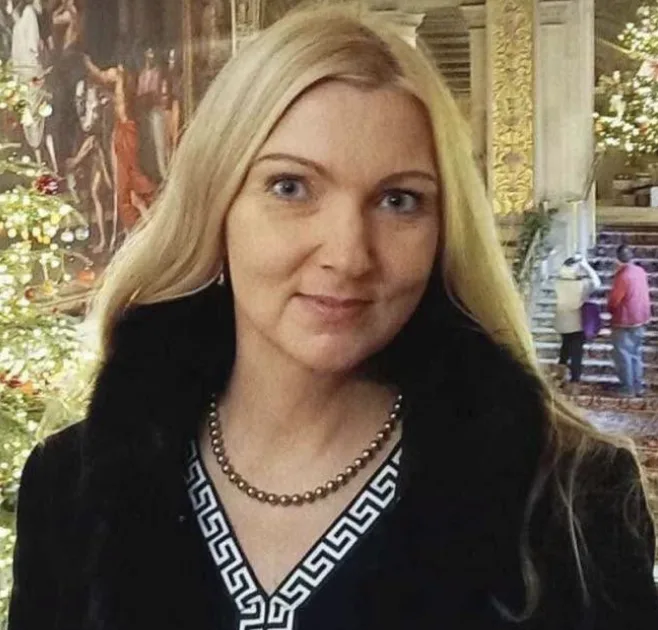
While NHS ICU units grabbed the headlines during the Covid crisis, behind the scenes hospice staff quietly battled fear and uncertainty with courage and compassion. Dr Laura Holtham, working full-time at ellenor hospice in Northfleet, reveals the untold story of teamwork and resilience.
Hospice Heroes Take on New Roles
“Everyone pulled together,” says Dr Holtham. With staff shortages biting hard, medics didn’t just stick to their job descriptions. “I helped nurses with syringe drivers and even washing patients. We all had to adapt fast and be ready to pitch in wherever needed.”
Nursing staff bore the brunt, but the whole team embraced unfamiliar tasks with grit and determination. Before lockdown, volunteers kept spirits high by chatting to patients and handling everyday jobs like laundry. Without them, the hospice “felt like there was no buzz,” Dr Holtham adds.
Breaking Hospice Stereotypes and Offering Vital Step-Down Care
Not everyone in hospice care is at the end of the road. Darenth Valley Hospital began sending “step-down” patients to ellenor — folks recovering from serious illnesses who no longer needed hospital-level acute care.
Dr Holtham explains patients feared the hospice was a place to die, but many were simply there because their loved ones were shielding or homes needed adapting. “It’s been great to open people’s eyes to what hospices really do. We’re not just about end-of-life care.”
Raises awareness is vital, especially with Covid hitting the economy and charity donations drying up.
Tech to the Rescue: Zoom Calls Bring Distant Loved Ones Closer
Lockdown meant tough talks with families had to happen over the phone — something Dr Holtham found “awful” and against what palliative care stands for. But technology stepped in, turning video calls into a lifeline. Patients could see relatives miles away via iPads, a massive improvement on voice calls.
“Video calls are something ellenor will definitely keep,” she confirms.
New Challenges Demand New Solutions
- Fear of catching Covid kept some hospice patients from going to hospital — even when specialised care was needed.
- Hospice staff had to “think outside the box” to manage care differently and holistically.
- Complementary therapies had to go virtual, with mindfulness sessions via Zoom boosting staff wellbeing.
Dr Holtham, now working at Brompton Barracks in Chatham, remains dedicated to ellenor, covering evening and weekend shifts. Reflecting on palliative care during the pandemic, she says:
“Early on, policies focused on hospitals, leaving hospices without clear guidance. The NHS didn’t fully tap into palliative care skills. But lessons have been learnt. Next time, we’ll be ready. And more people now understand how crucial hospices are to the community.”