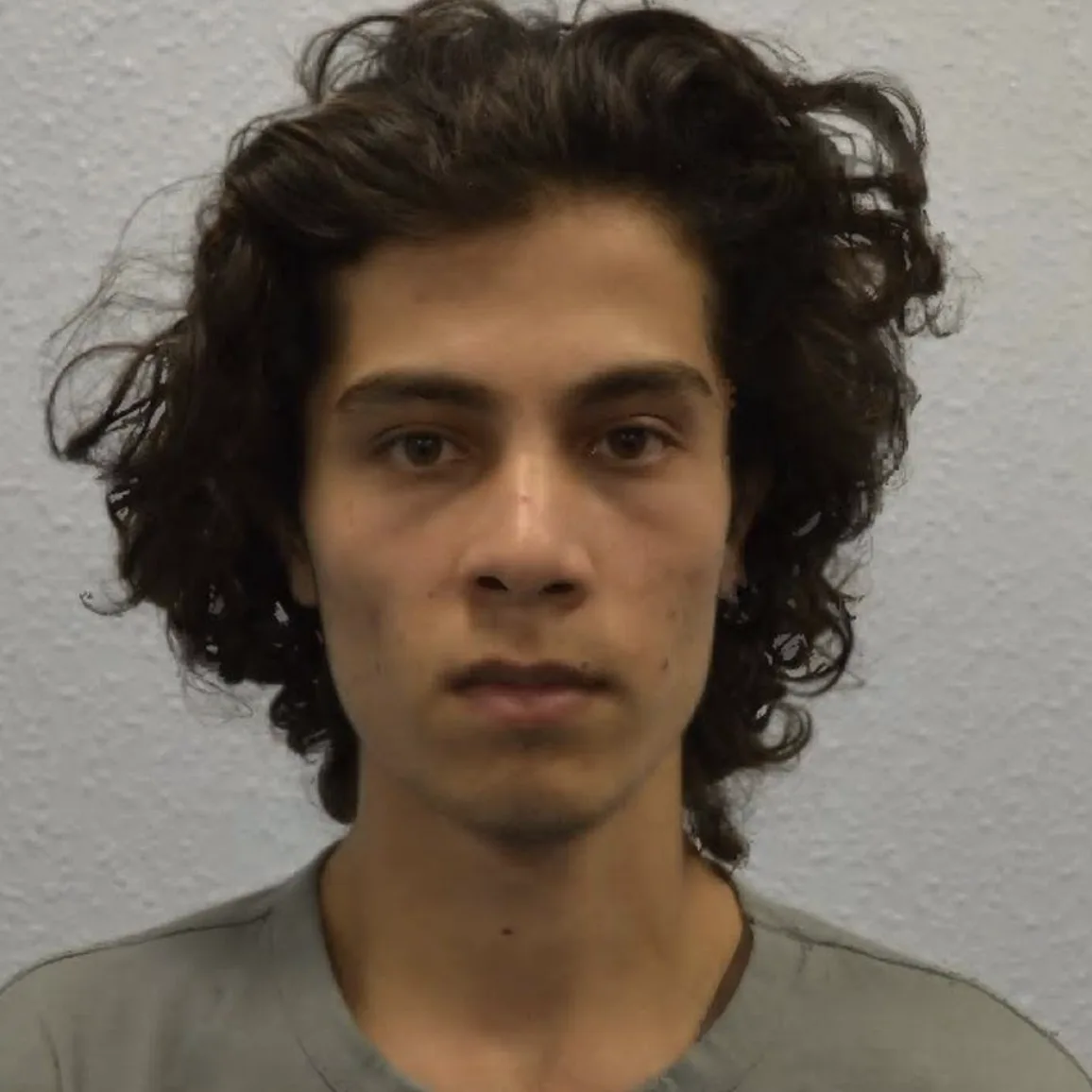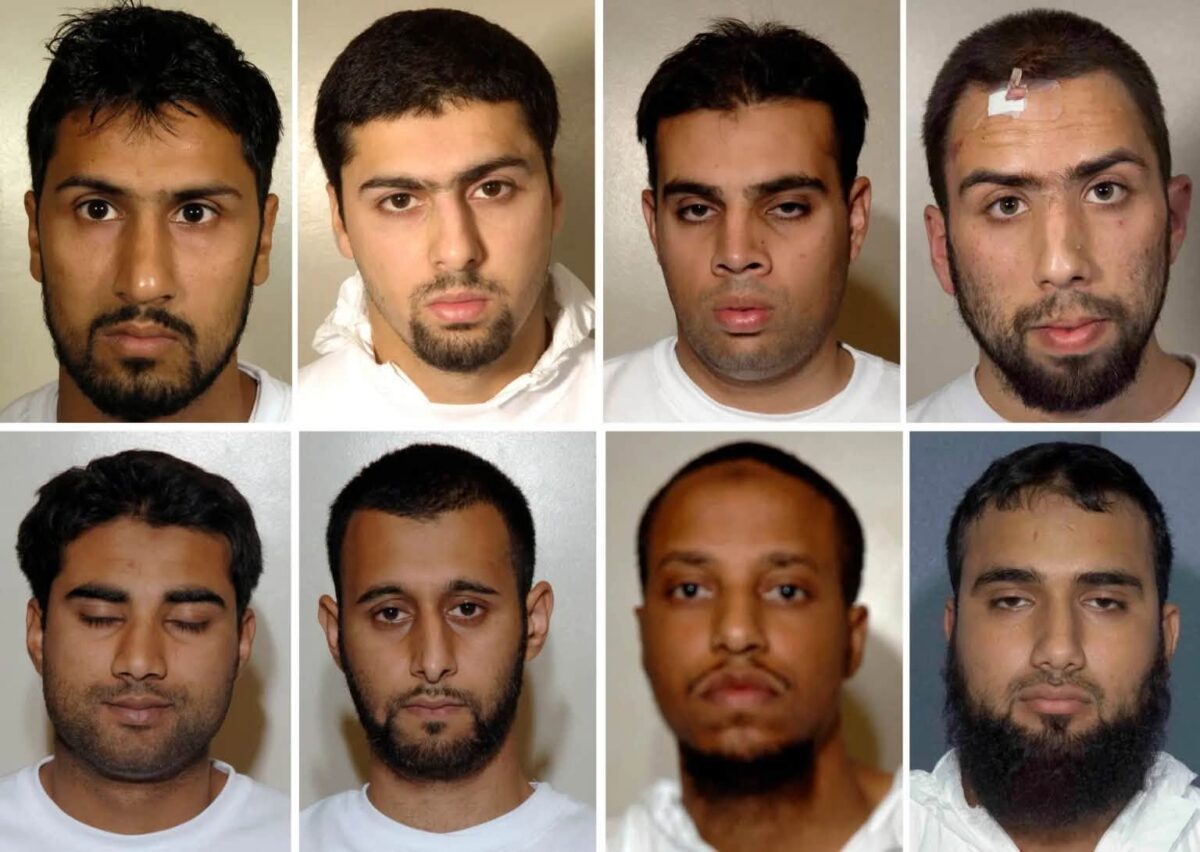
Two former MI5 agents have spoken publicly for the first time about the covert operation that helped foil one of the most devastating terrorist plots ever uncovered in the UK – an Al-Qaeda plan to destroy seven transatlantic airliners using liquid explosives disguised as soft drinks. The agents, who have remained anonymous, recalled the high-risk operation in a new ITV documentary, Terror In The Skies: Stopping The Liquid Bomb Plot, marking 20 years since the conspiracy was uncovered.
The plot, known as Operation Overt, led to the largest counter-terrorism surveillance operation in British history and ultimately changed airport security around the world.
Secret Break-In at Terror Safe House
By the summer of 2006, intelligence suggested an Al-Qaeda cell was nearing the final stages of preparations for coordinated suicide attacks targeting flights from the UK to North America. Fearing an attack that could eclipse the death toll of the 11 September 2001 terrorist attacks in the United States, MI5 authorised an extraordinary covert operation.
Two specialist officers secretly entered a flat in east London believed to be used by members of the terror cell. One of the officers, identified only as “Dan”, described the operation as the most dangerous of his career.
“It was imperative to get in there and find out what these guys were doing,” he said. “I have worked on hundreds of operations, lots of entries, terrorist properties mainly.
“When the door opens up and you are looking up into the darkness and you’re not quite sure if someone is in there, you are thinking, ‘God, if I mess this up, this is going to bring to an end probably the biggest counter-terrorism operation in the country’s history.'”
Chilling Discovery Inside
Inside the property, officers discovered empty transparent drinks bottles, including Lucozade and Oasis, alongside batteries, chemicals and other suspicious materials. The findings strengthened suspicions that liquid explosives were being concealed inside ordinary soft drink bottles.
The agents later returned to install covert microphones throughout the flat and a hidden camera inside the kitchen. The surveillance captured members of the group drilling holes into bottle bases before filling them with hydrogen peroxide mixtures coloured to resemble soft drinks.
Investigators also recorded conversations revealing the identities of additional suspects linked to the conspiracy.
Race Against Time
As surveillance continued, intelligence officers watched as several suspects filmed so-called martyrdom videos, fuelling fears the attacks were imminent. At the centre of the operation were 24 identified suspects, while investigators worked with counterparts across South Africa, Belgium, Mauritius, Japan and Pakistan.
The investigation also exposed tensions between UK and US intelligence agencies. Former Home Secretary John Reid recalled the enormous pressure surrounding the decision over when to arrest the suspects.
“If, as a result of delaying, we miscalculated and the conspirators murdered two or three thousand people, no government could have survived that,” he said.
Meanwhile, US President George W Bush, who was receiving intelligence briefings, reportedly urged action, saying: “Are we on the brink? Let’s not wait too long.” Former MI5 Director General Jonathan Evans confirmed there were disagreements between Britain and the United States over the timing of arrests.
CIA Move Forced Early Arrests
The operation reached a critical point on 9 August 2006, when the CIA acted on intelligence that alleged mastermind Rashid Rauf was moving through Pakistan. Without prior warning to MI5, Pakistani authorities arrested Rauf, forcing British investigators to bring forward their plans.
Within hours, police launched coordinated raids across London, Birmingham and High Wycombe, arresting all 24 suspects before investigators believed they had gathered all available evidence. The arrests came just six days after surveillance captured the suspects assembling the devices.
Convictions Followed Lengthy Trials
The early arrests later became a key issue during a series of complex criminal trials, with defence lawyers arguing the suspects had not yet purchased airline tickets and therefore had not intended to carry out the attacks.
However, prosecutors produced notebooks outlining the conspiracy, including instructions on how to bypass airport security.
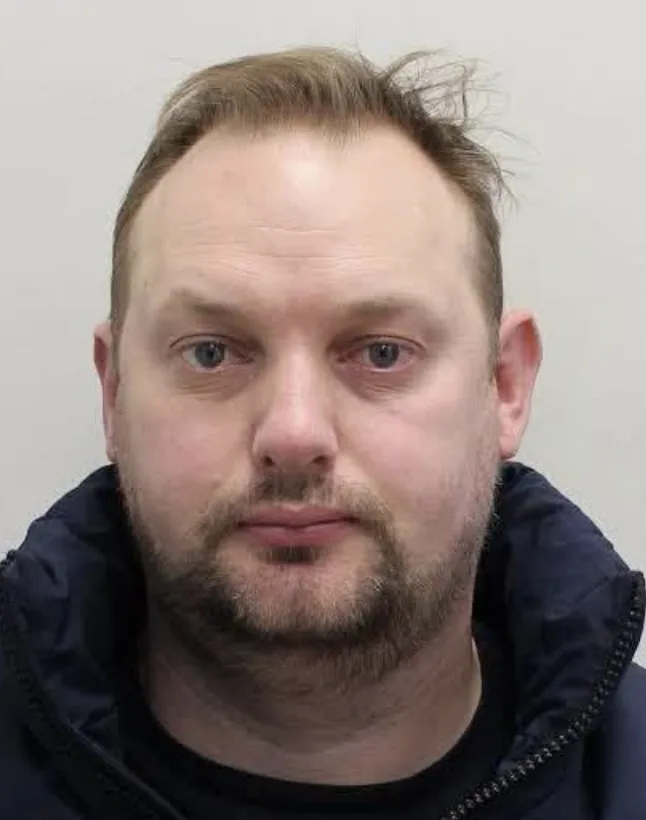
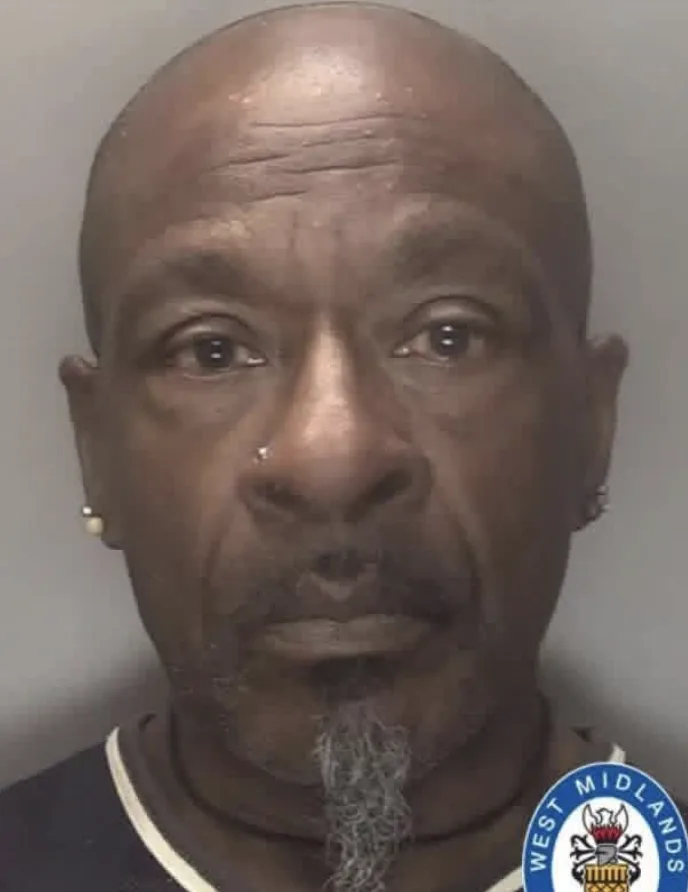
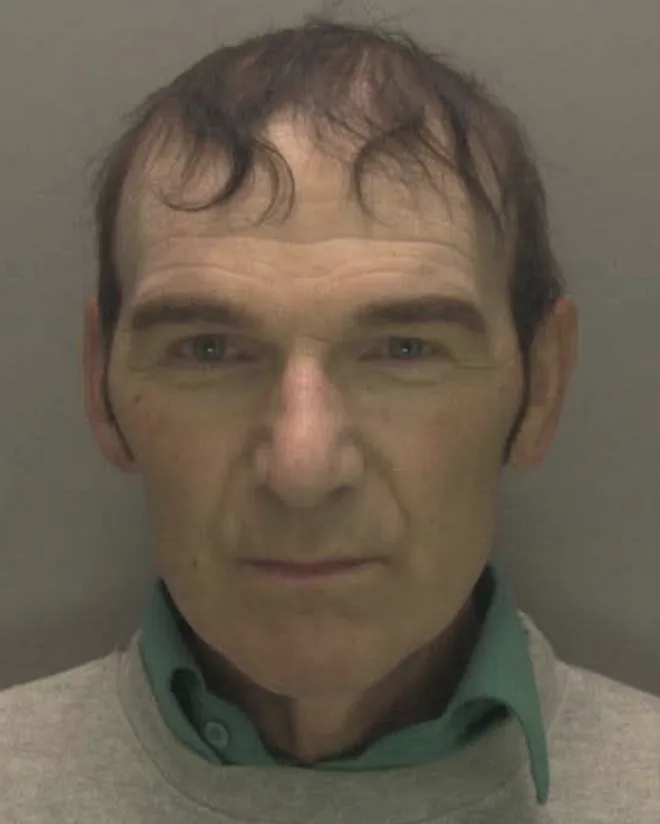
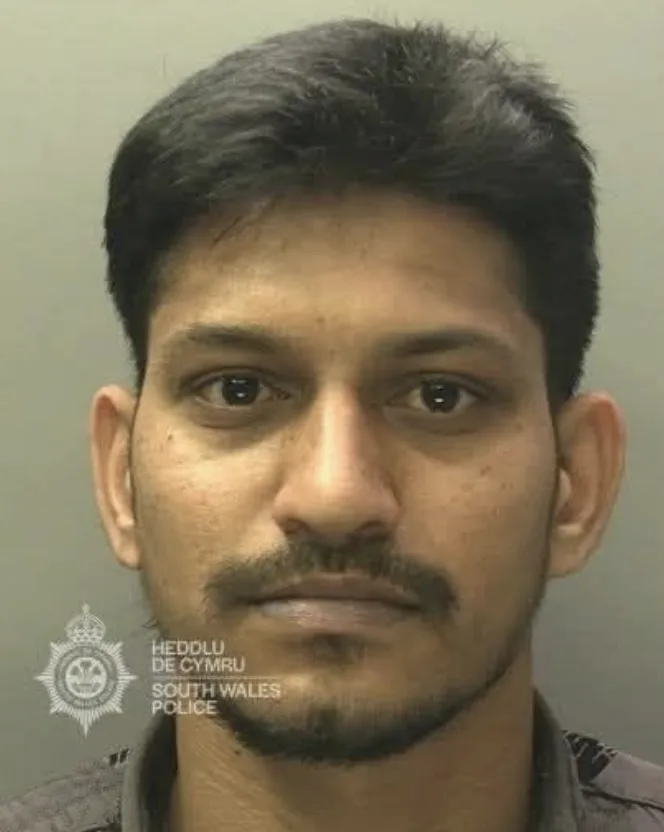
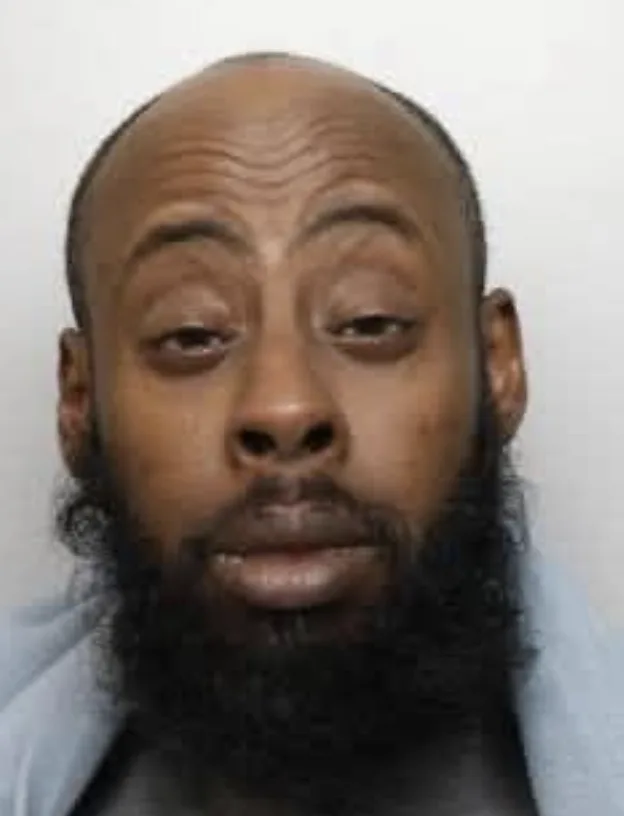
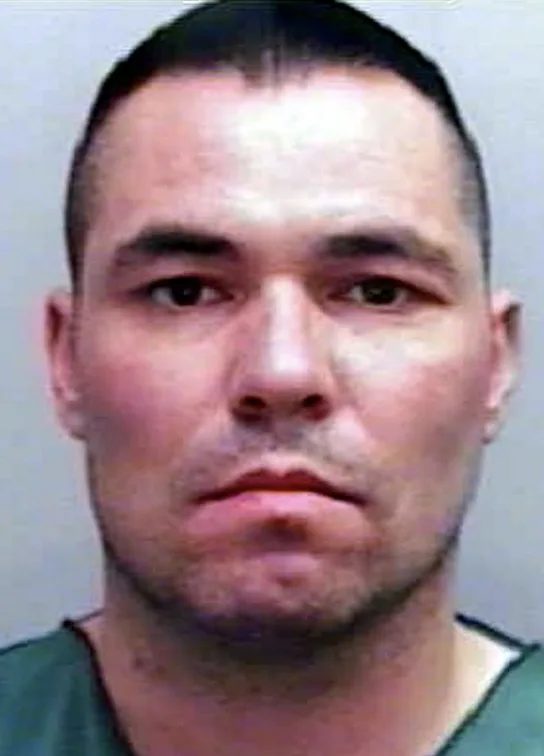
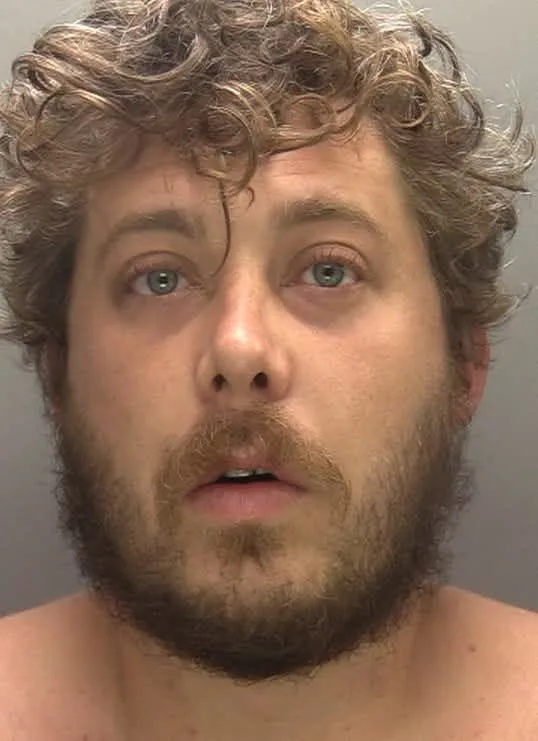
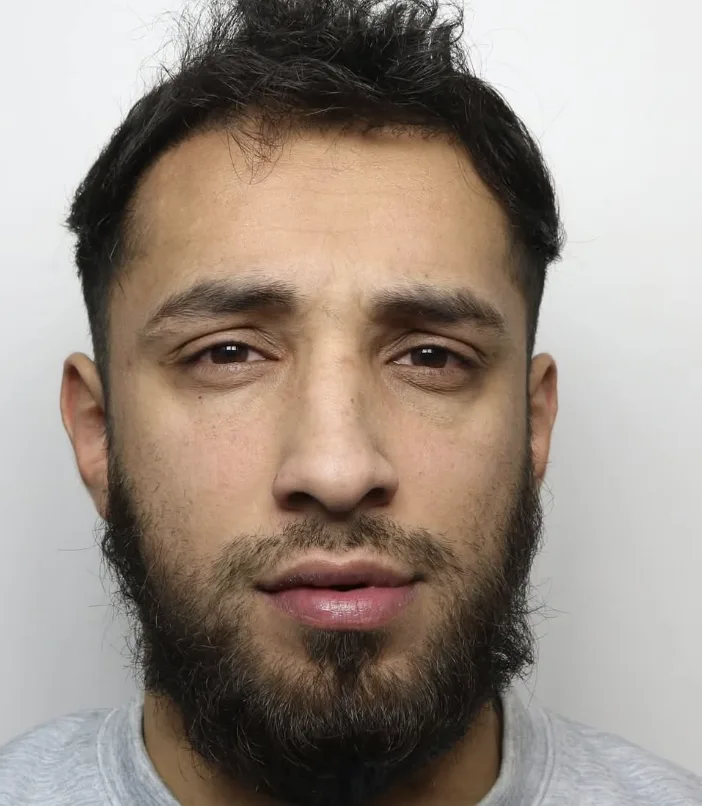
Following retrials in 2009, Abdulla Ahmed Ali, Assad Sarwar and Tanvir Hussain were convicted of conspiracy to murder by planning to destroy passenger aircraft using homemade liquid bombs. Eight other men were convicted of related terrorism offences.
Across seven trials and retrials, the proceedings cost an estimated £70 million. Rashid Rauf later escaped from custody in Pakistan before being killed in a US drone strike in 2008.
Airport Security Changed Forever
The discovery of the liquid bomb plot transformed aviation security worldwide. Passengers departing UK airports were immediately banned from carrying liquids in hand luggage, while mothers were asked to taste baby milk before boarding to demonstrate it was safe.
The restrictions later evolved into the familiar 100ml liquid rule, although several UK airports have recently begun increasing limits following the introduction of advanced security scanners.
Thousands of Lives Believed Saved
Counter-terrorism officials continue to regard Operation Overt as one of the most significant intelligence successes in British history. John Reid described it as “the biggest counter-terrorism operation carried out before or since in Britain.” He added: “There would have been a catastrophic loss of life.” Twenty years on, investigators say the operation stands as a landmark example of how painstaking surveillance, covert intelligence work and international cooperation prevented what could have become one of the deadliest terrorist attacks ever carried out against civil aviation.