UK Launches New Measures to Tackle Bluetongue Virus Surge
The UK Chief Veterinary Officer has rolled out fresh steps to curb the spreading menace of bluetongue virus serotype 3 (BTV-3) across England. Cases have soared sharply in northern Europe, triggering urgent action.
Bluetongue Virus: A Deadly Threat to Livestock
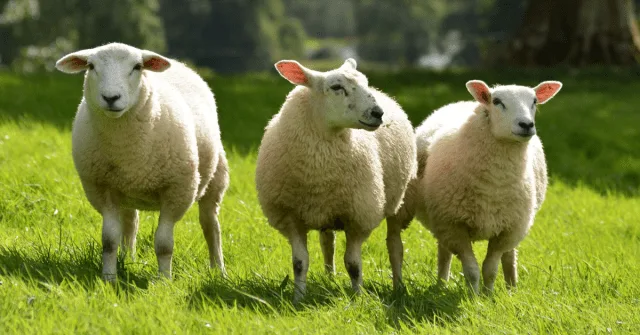
Bluetongue mainly attacks cattle, sheep, goats, deer, and camelids. It spreads through midge bites and causes serious issues like reduced milk output, sickness, and reproductive problems. In severe cases, it can kill.
The disease poses huge economic threats to farmers nationwide.
New Control Strategy: Bigger Zones, High-Risk Areas & Vaccines
- Expanded Restricted Zones: The government has merged previous Restricted Zones into one massive area stretching from East Riding of Yorkshire all the way to Kent. Now included are Lincolnshire, Cambridgeshire, Bedfordshire, Hertfordshire, Greater London, Surrey, and West Sussex.
- High-Risk Counties: East Riding and Lincolnshire are officially high-risk zones. Farmers here get free testing and access to vaccination via a new general licence.
- New Vaccines Approved: Three new, though not fully authorised, BTV-3 vaccines have been greenlit. While they help reduce symptoms, they don’t stop animals from catching the virus.
Strict Rules on Animal Movement
Movement of susceptible animals within Restricted Zones is tightly controlled. No animals can move without a licence, and trips to abattoirs are allowed only under strict conditions.
“We are taking prompt action to mitigate the spread of the disease,” said Christine Middlemiss, UK Chief Veterinary Officer.
Farmers in control areas are urged to stay alert, monitor their animals closely, and report any signs of bluetongue immediately to the Animal and Plant Health Agency.
Free testing is now available to help keep the disease in check and protect the UK’s vital livestock sector.