Starmer Set to Soften Hybrid Car Ban as Industry Pushes Back
Prime Minister Keir Starmer looks ready to ease the squeeze on hybrid car sales originally slated for a 2030 crackdown. The move comes amid rising worries that tough electric vehicle (EV) rules could choke UK carmakers.
Hybrid Ban Could Hit Popular Models
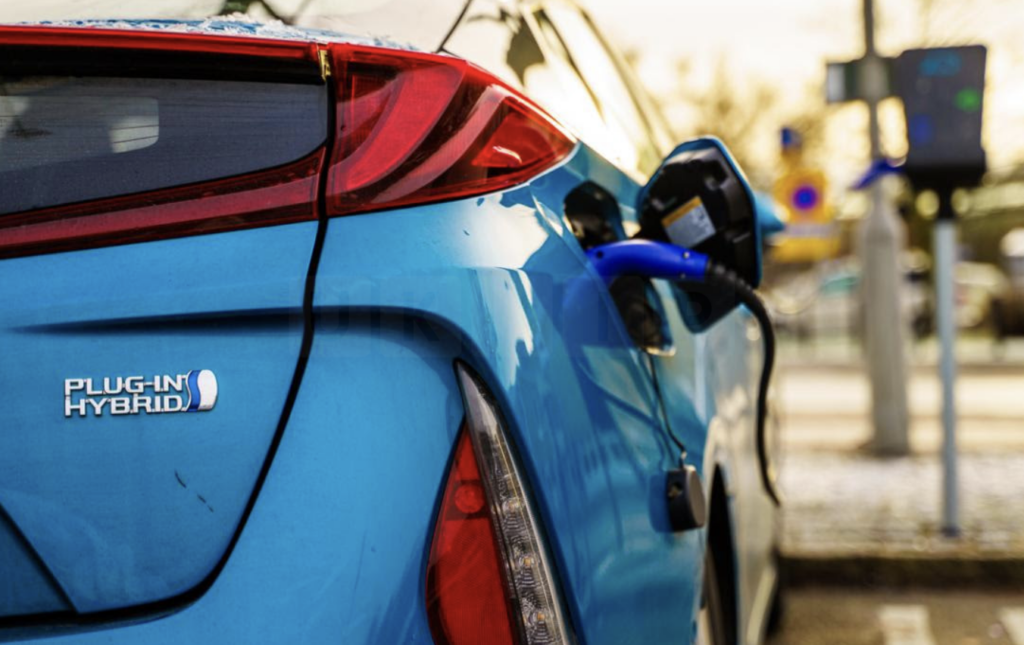
The government planned to outlaw hybrids with higher CO2 emissions by 2030, alongside banning new petrol and diesel cars. This would have slammed the brakes on hits like the Range Rover Evoque and Ford Puma – both greener than many petrol rivals.
Industry Pressure Forces Rethink
Car bosses warned ministers that the harsh rules risk killing vital investment in Britain’s auto sector. Now Whitehall insiders say “everything is on the table,” with hybrids possibly staying on sale until 2035.
Strict CO2 Limits Spark Concern
A tough emissions cap of 115g/km kicks in from 2030. This threatens hybrids like the Ford Puma, VW Golf, and Nissan Qashqai, forcing the government to reconsider the timelines.
SMMT Demands Flexibility and Tax Breaks
- The Society of Motor Manufacturers and Traders (SMMT) calls for a softer stance, arguing hybrids, plug-in hybrids, and hydrogen cars are vital stepping stones to zero emissions.
- Toyota insists tight restrictions would stifle investment just as EV production gears up.
- The SMMT also pushes for VAT relief and other tax incentives to boost EV sales, potentially pushing numbers from 1.8 million to over 2 million by 2027.
The government now faces a high-stakes balancing act: slash emissions without crushing Britain’s car industry.