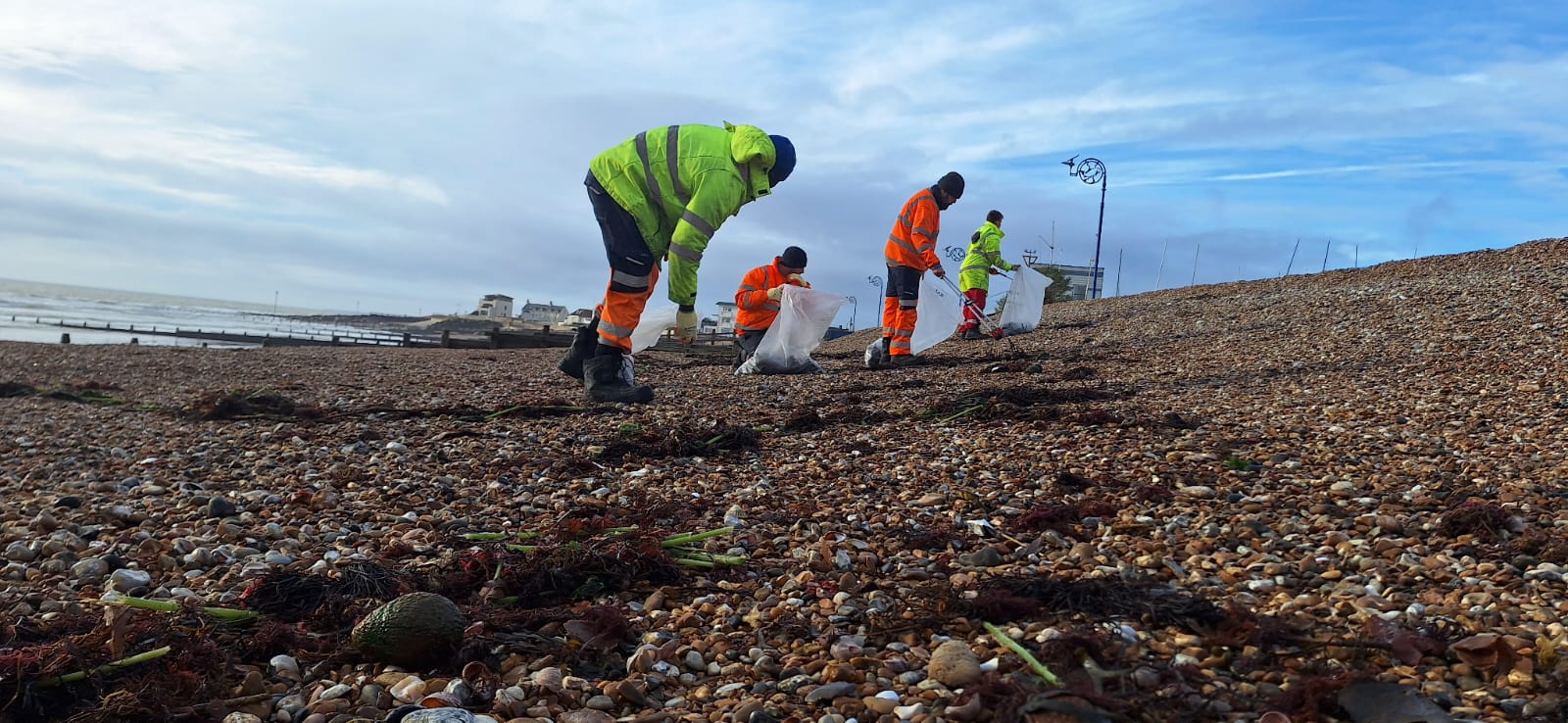
Detectives investigating the discovery of human remains in a Sudbury river over three years ago have released new details about the case. The remains were found inside two black bin bags in the River Stour near Meadow Gate and Croft Bridge on August 27, 2020.
A Home Office post-mortem examination conducted three days later was unable to determine the cause of death or identify the victim. Additional human remains were later recovered from the river, and DNA testing confirmed that they belonged to the same person as the original discovery.
Forensic tests have been conducted to establish a profile of the victim. The results indicate that the victim was a white adult male of north European descent, approximately 5ft 6in to 5ft 9in tall, with a medium build. He had blond hair when born, which may have darkened over time, and was likely to have been athletic or muscular.
Based on radiocarbon dating, it is believed that the victim died between 2008 and 2012 and was in his late 50s to early 60s at the time of death. Despite extensive efforts to identify the victim, no matches have been found in missing person records across local, regional, and national databases.
The investigation team is collaborating with the National Crime Agency and other specialists and experts from across the country. Detectives have now released previously undisclosed information about the case. The remains that were discovered include part of the skull and jaw, arm bones, wrist bones, and complete lower legs and feet. The arms, legs, and feet were partially mummified, and there was a healed fracture in one of the wrist bones.
The forensic pathologist who performed the post-mortem observed multiple areas of sharp force trauma on the skull. The dismemberment of the remains suggests a deliberate act by individuals familiar with the process. The remains appeared to have been stored in dry airless conditions for several years before being disposed of.
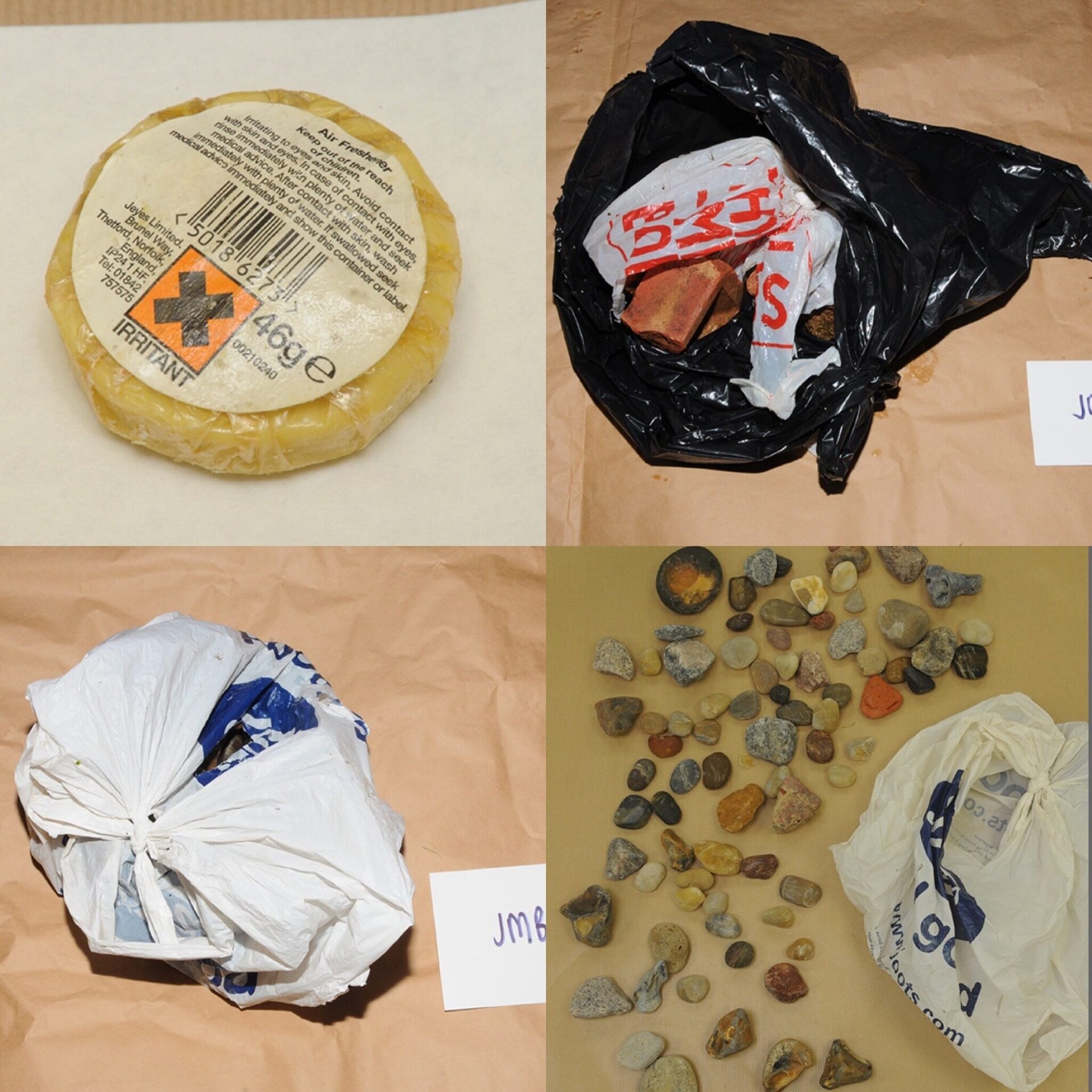
The black bags containing the remains were weighted down with bricks and decorative stones. The bricks have been identified as ‘Eastwoods Fletton’ bricks, and the stones are commonly found. Air fresheners, specifically commercial products used in toilets, were also found in the bags. These air fresheners were made by Jeyes and became obsolete around 2011.
Detective Superintendent Mike Brown, the Senior Investigating Officer, believes that the victim was likely a victim of organised crime. He appeals to the public for any information that could help identify the victim, shed light on his death, or provide details about the disposal of the remains. The investigation team urges anyone who witnessed suspicious behavior near the river in the days and weeks leading up to the discovery to come forward.