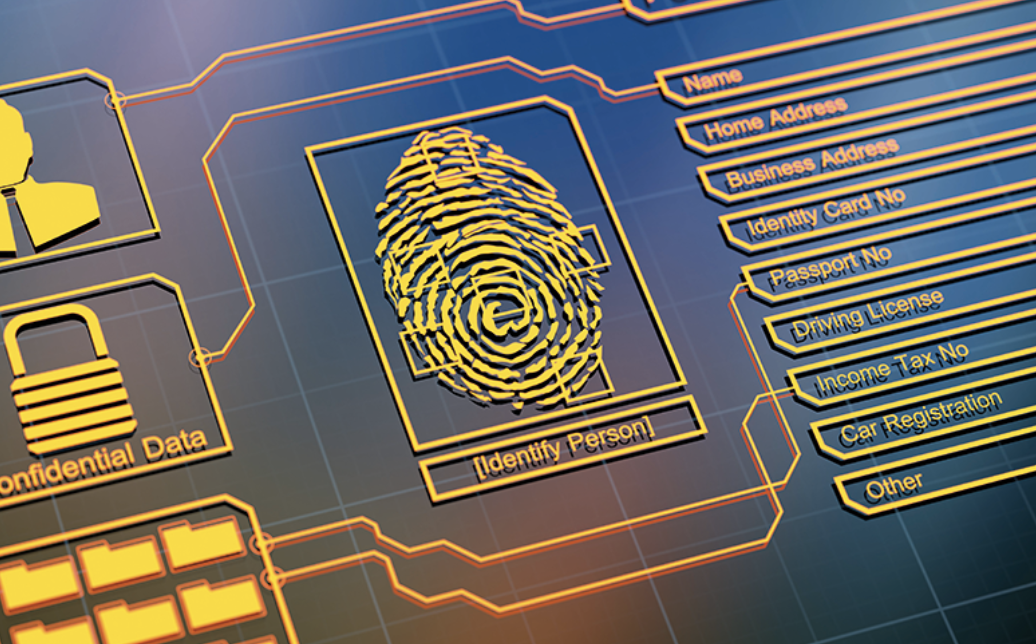
From opening a bank account to booking travel online, digital identity checks are becoming part of everyday life in the UK. What once felt niche is now mainstream, driven by a mix of fraud prevention, regulatory pressure, and consumer demand for faster access.
Yet the shift is not uniform. Some services are moving quickly toward robust verification, while others remain lightly regulated. That uneven pace is reshaping how people interact with online platforms and raising questions about trust, inclusion, and choice.
Why are Digital ID Checks Expanding
The push toward digital identity checks is rooted in scale and efficiency. Online services face growing pressure to confirm who users are without slowing them down, especially as fraud becomes more sophisticated. Automated checks promise speed, lower costs, and fewer manual errors.
The market has followed that logic. According to the UK government’s digital identity sector report, the sector generated £2.1 billion in revenue in 2023/2024, with identity verification accounting for half of all services offered. That figure underlines how central verification has become to the digital economy.
Regulation has also played a role. Financial services, right‑to‑work checks, and access to public services all face clear compliance requirements. In response, providers are investing in tools that can meet standards while keeping customer journeys short.
Impact On Online Consumer Access
For many users, digital ID checks have smoothed the path to online services. Faster onboarding means fewer forms, less paperwork, and quicker approvals. In sectors like banking or travel, that convenience has quickly become the baseline expectation.
However, adoption is uneven across the wider internet. Some online platforms still operate with minimal verification, offering a contrast to tightly regulated industries. That difference is visible in entertainment spaces where access barriers remain low; examples are often highlighted when discussing platforms listed in GamblingInsider’s list for non gamstop casinos, which sit outside the UK’s self‑exclusion system and illustrate looser identity requirements. The contrast helps explain why consumers experience very different sign‑up processes depending on the sector.
This split matters because it shapes behaviour. When some services feel frictionless and others demanding, users naturally gravitate toward the easiest option, even if protections differ.
Concerns Over Data And Exclusion
Convenience is only one side of the equation. Digital identity systems rely on sensitive personal data, and public trust hinges on how that data is stored and used. High‑profile breaches in other sectors have made many users cautious, even when the benefits are clear.
There is also the risk of exclusion. Not everyone has the same access to smartphones, stable internet, or the digital literacy required to navigate verification apps. That tension has influenced policy, with the government stepping back from plans to make digital ID mandatory for some work checks. The shift reflects a desire to balance efficiency with civil liberties.
What This Means For UK Users
For UK users, the direction of travel is clear: digital identity checks are here to stay, but their form is still evolving. Government‑backed initiatives aim to standardise approaches and improve trust across services.
One indicator of momentum is adoption. Coverage of the GOV.UK digital wallet suggests usage could reach 25.5 million people by 2029. If realised, that would make digital ID a familiar part of daily transactions for a large share of the population.
The bigger picture is less about technology and more about choice. As checks expand, the challenge for regulators and providers will be ensuring systems are secure, optional where appropriate, and accessible to all. Getting that balance right will determine whether digital identity feels like progress—or another barrier—in the years ahead.