Cars are incredibly complex machines made up of several different parts. All of these parts work in tandem to propel the car forward, and car designers have honed and improved controls over time to make cars easy and accessible to operate.
However, despite the technological advancements in car design, things can and do go wrong. If your car is underperforming, being able to diagnose and identify issues yourself is crucial. The car generator is a crucial part, and there are many issues that can be caused by faulty generators. Let’s take a closer look at what a car generator is, how it works, and go over some generator breakdown symptoms. Read on to find out more.
What is a Car Generator?
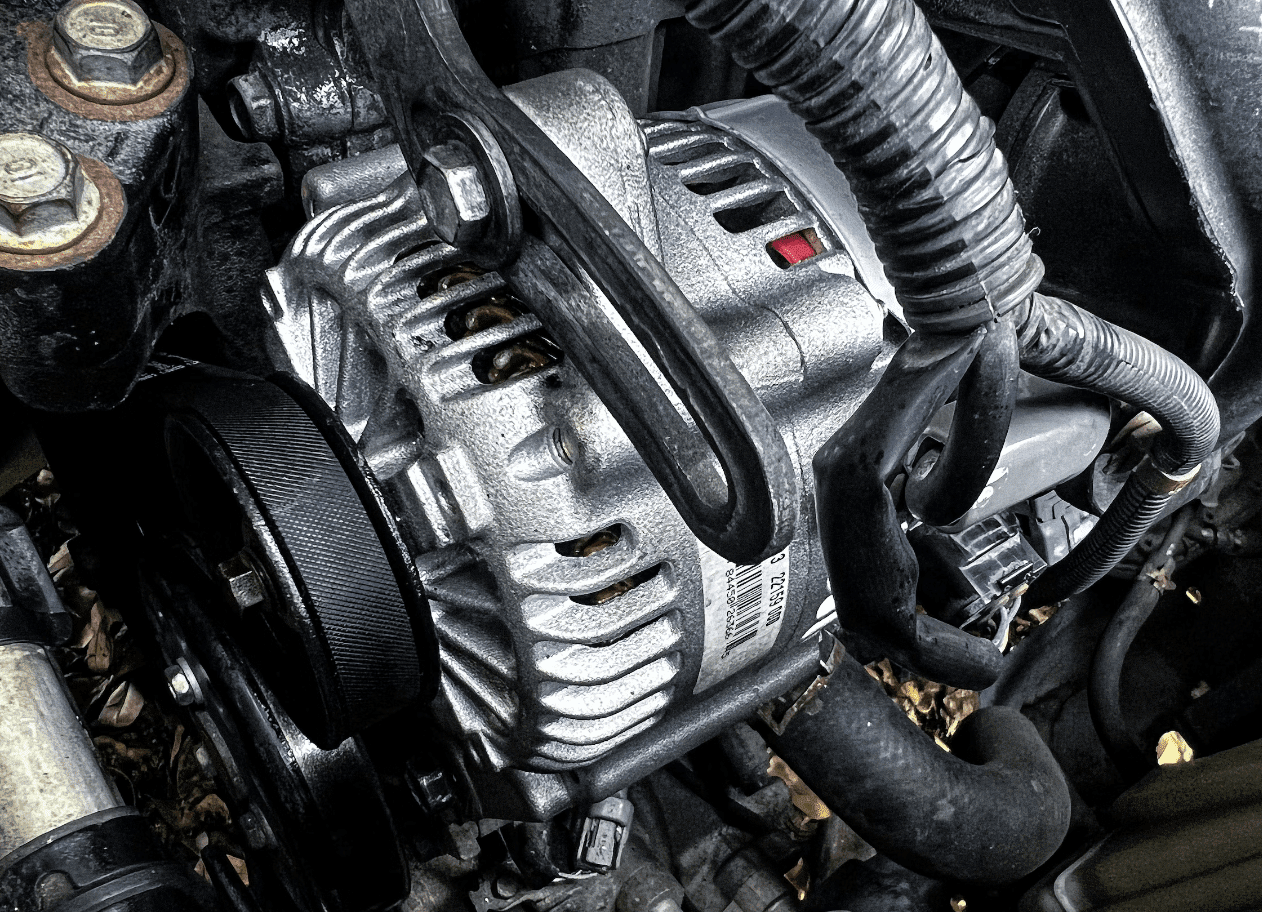
To put it simply, a car generator is used to convert mechanical energy into electrical energy. Car generators keep the battery charged, ensuring it doesn’t die even when powering things like lights, radios, sound systems, and heated seats.
However, modern cars now use alternators rather than generators. While these devices are very similar and perform essentially exactly the same function, there are some key differences that are important to note. Let’s take a look at both and discuss how generators and alternators work to highlight the differences between them.
How do Generators Work?
Generators use stationary electromagnets called field coils. Within these field coils is a turning coil-wrapped shaft. This creates a current, which is maintained by the field coils and the strength of which is determined by the speed the shaft turns, which is controlled through belts connected to the engine. Generators can output AC or DC, with the current distributed throughout the car through the generator’s connections.
What About Alternators?
Alternators work in a relatively similar way, but rather than stationary electromagnets, alternators use spinning magnets to create a current. Alternators make use of diodes rather than commutators and can produce much more energy, even when the engine speed is low. However, alternators can only output AC.
Symptoms of Generator and Alternator Issues
It can be easy to feel overwhelmed when there’s something wrong with your car, but there are a few tips and tricks that can help you get to the bottom of the issue.
In modern cars, there may be an indicator light that will warn you of problems with your alternator, but sometimes problems can go unnoticed by your car’s monitoring system, so you must be vigilant and learn what the signs of generator/alternator issues are.
A dead battery is often the most obvious sign that you could have a problem with your generator or alternator. Other symptoms involve your car’s electrical appliances. Lights that are too bright or too dull, sluggish window controls, or even unresponsive dashboard dials could also indicate an issue.
There are other symptoms that, while they may not seem as obvious, could also indicate generator/alternator issues. If your car is stalling a lot or struggling to start, if it’s making strange whining noises, or if you can smell burning rubber, then you should get your generator or alternator checked out.
If you want to learn more, alternator malfunctions are discussed in the article onlinecarparts.co.uk.
What Causes Issues with Generators and Alternators?
Car issues can be complicated, and identifying the exact cause can often be difficult. However, there are a number of common causes that can result in generator/alternator problems.
Sometimes, it’s simply a case of poor-quality materials and components. Cheap car parts are often made from unreliable materials that aren’t built to last. Generators and alternators should last a long time, but if they are made from substandard materials then you could experience issues.
Mechanical issues that can cause problems include slipped drive belts, damaged bearings, jammed brushes, and degraded bracket seats. There can also be external triggers. Water, salt, or dirt can damage generators and alternators, while high temperatures can also cause them to malfunction.
Additionally, your own actions and behaviours can lead to problems. Using jumper cables incorrectly can damage your generator/alternator, so always ensure you have jumper cables connected the correct way. What’s more, certain appliances can overload the system and cause damage, so limit the number of devices you use your car to power.
You can read more detailed information about the causes of breakdowns in more detail on the site clausenautomotive.com.
Conclusion
Generators and alternators are vital parts of a car. However, they can fail and cause serious issues. It’s possible to test your car’s generator or alternator using a multimeter, but it’s usually best to have it seen by a professional, as they will have the knowledge and experience required to correctly diagnose and address the problem.