The Metropolitan Police and Crown Prosecution Service (CPS) have confirmed that a further 60 people will face prosecution for allegedly showing support for the proscribed terrorist group Palestine Action.
The new charges follow the arrest of more than 700 people since the group was banned under the Terrorism Act on 7 July 2025. Officials say more prosecutions are expected in the coming weeks, with systems in place to process “significant numbers” each week if required.
Palestine Action was proscribed after claiming responsibility for damage to military jets at RAF Brize Norton, and being linked to allegations of serious assaults on staff and police at a business in South Gloucestershire. Under the ban, membership or public support for the group is a criminal offence.
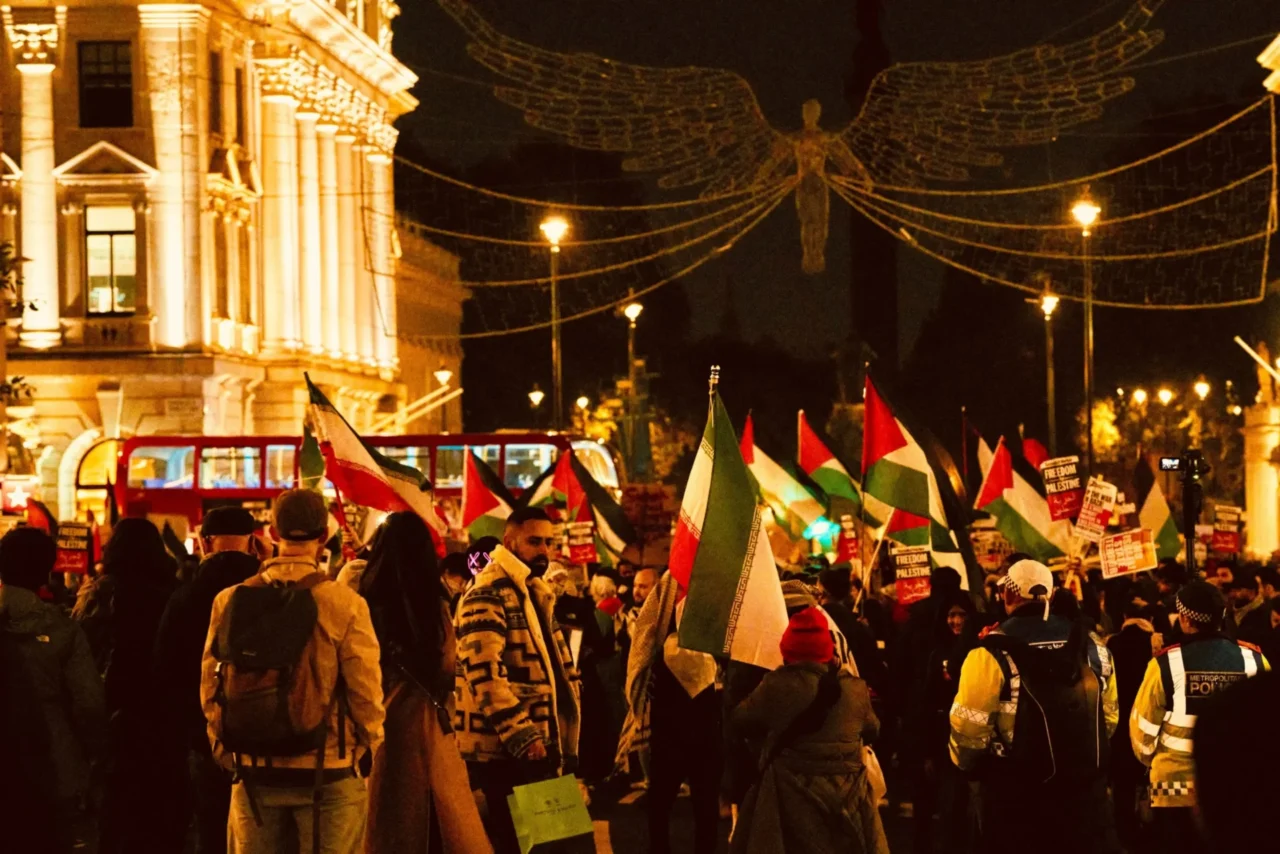
Authorities have stressed the distinction between lawful protest in support of a cause and illegal activity linked to proscribed organisations. Last weekend, around 15,000 people marched peacefully in central London for the Palestinian cause, resulting in just one arrest. However, on the same day, 522 arrests were made for alleged illegal support for Palestine Action.
Stephen Parkinson, Director of Public Prosecutions, said:
“The public has a democratic right to protest peacefully, and I understand the depth of feeling around the horrific scenes in Gaza.
However, Palestine Action is now a proscribed terrorist organisation and those who break the law will face criminal proceedings under the Terrorism Act.”
Metropolitan Police Commissioner Sir Mark Rowley added:
“We will continue to police protests where people express their views lawfully, but where we see these offences, arrests will be made and charges brought. These prosecutions do not outlaw people’s right to demonstrate in support of Palestine, or any other cause. They are the enforcement of specific provisions under the Terrorism Act.”
Potential consequences of a Terrorism Act conviction include:
- Up to six months’ imprisonment.
- Disclosure on DBS checks, potentially impacting employment and professional registrations.
- Refusal of entry to countries including the US, Australia, Japan, and from 2026, most of the EU.
- Possible university course refusal or professional disciplinary action.
Police and prosecutors say they will continue to monitor protests, investigate offences, and act “at whatever scale is necessary” to enforce the law.