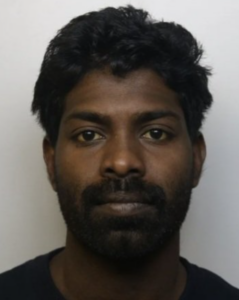
A convicted child rapist was let into the police/" title="Metropolitan Police" rel="nofollow">Metropolitan Police after a diversity-focused vetting panel controversially overturned his initial rejection. Cliff Mitchell, 26, was found guilty in May 2024 of 13 counts of rape, including six involving a child. He ran a brutal “campaign of rape” against two victims over nine years.
Shockingly, Mitchell had initially been rejected by Met vetting but was later accepted thanks to an internal panel pushing diversity, despite a prior child-rape allegation. He wasn’t alone — 25 officers had their vetting refusals reversed only to later commit serious crimes or misconduct, including violence, sexual offences, and drug use.
Massive Vetting Fail: Over 20,000 Applicants Skipped Checks
An explosive review published in early 2026 revealed that from 2013 to 2023, the Met failed to properly vet more than 20,000 applicants. Senior officers prioritised hitting recruitment targets over following national vetting guidelines, shortcutting essential background and reference checks.
Over 4,500 officers were recruited in just three and a half years under this flawed system. Thousands of references were ignored, leading to the hiring and retaining of officers who should never have joined. The fallout has seriously harmed public trust and safety.
Pattern of Failure: From Couzens to Carrick
This vetting collapse follows infamous Met scandals. Wayne Couzens, who murdered Sarah Everard, had warning “red flags” missed. David Carrick, imprisoned with 37 life sentences for sexual offences, slipped through vetting in 2017 with an undiscovered domestic abuse allegation.
A 2022 national report flagged similar vetting failures across eight police forces, emphasising deep systemic weakness.
Political Outrage: Calls for Accountability and Reform
Home Secretary Shabana Mahmood condemned the Met saying: “Abandoning vetting checks on officers was a dereliction of the Met’s duty to keep London safe.” She vowed to restore public trust by ordering an independent inspection.
Conservative London Assembly Leader Susan Hall blasted the failures, warning the public will now question the safety of all officers on the beat. She argued:
“If DEI has put the public at risk, or indeed enabled bad actors to commit acts of evil whilst wearing a uniform, then heads must roll.”
The revelation that a diversity panel overruled crucial safety concerns raises serious questions about whether meeting diversity quotas compromised public safety.
This scandal — with over 20,000 improperly vetted applicants and repeat offenders recruited — is one of the gravest in UK policing history. It exposes a systemic crisis that allowed predators into the heart of law enforcement.