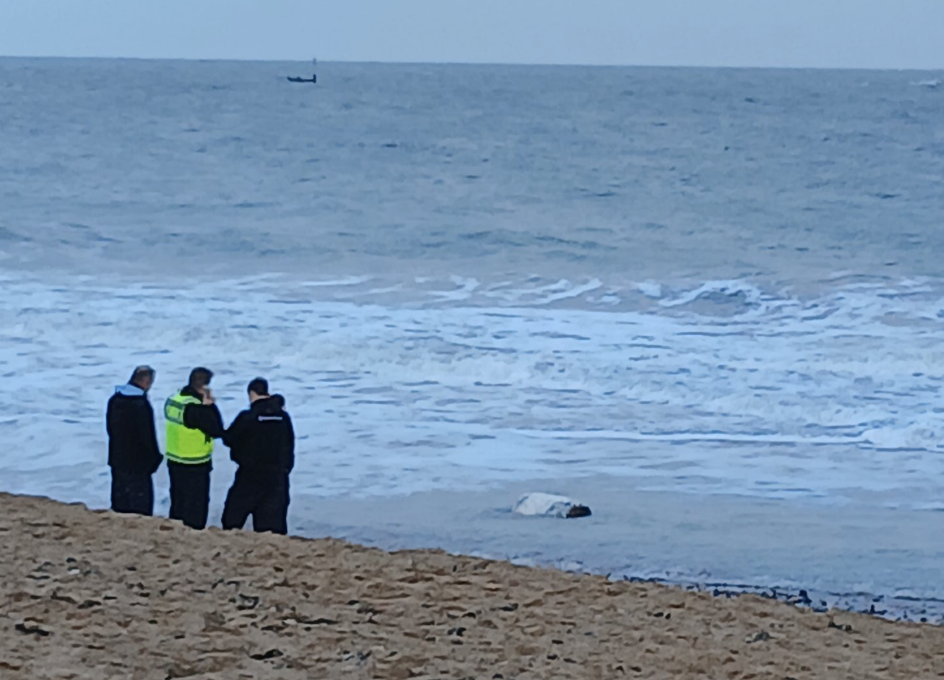
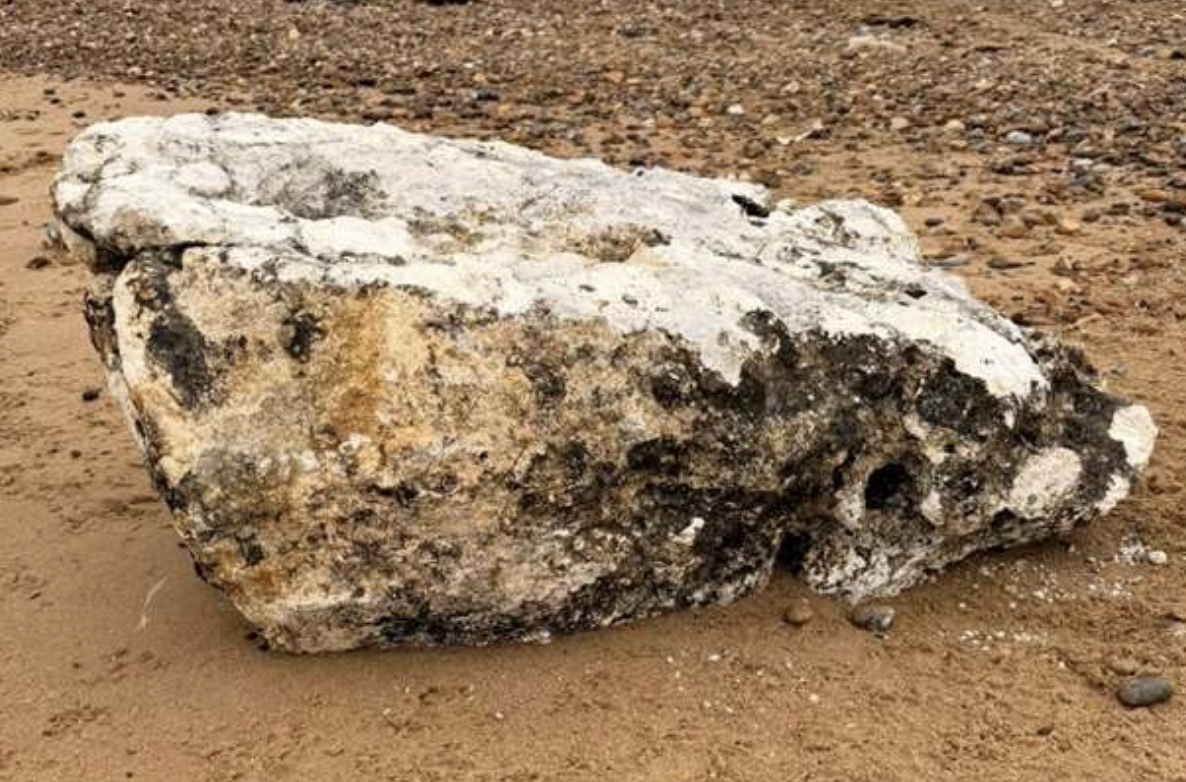
A dangerous lump of what’s believed to be palm oil has washed up at Tankerton beach near Whitstable, just a day after similar blobs were spotted at Ramsgate and Broadstairs.
Hazard Hits Another Kent Shore
Beachgoers at Tankerton found a suspicious oily, waxy lump yesterday. Authorities are warning dog owners to keep their pets well away.
This follows reports of the same toxic substance appearing on Ramsgate Main Sands and Stone Bay, Broadstairs, sparking serious safety concerns.
What Exactly Is It?
The chunky clumps are believed to be palm oil that has solidified after being released into cold sea waters, possibly from boats. The oil firms up into waxy blocks that wash ashore, posing a risk to dogs that might ingest it.
A Canterbury City Council spokesperson said: “The coastguard has alerted us to reports of an oily/waxy fat ball-type substance on Tankerton beach. Although it hasn’t been tested, it could be palm oil, which is dangerous if eaten by dogs.”
Teams are rushing to remove the lumps as quickly as possible to protect pets from harm.
Coastguard Issues Urgent Warning
Margate Coastguard shared the alert on social media after investigating a white barrel-like object on Ramsgate beach:
“We believe it may be palm oil. This is highly dangerous to dogs, so please keep your dog on a lead and don’t let them eat it. We’ve informed the council to remove it.”
They also warned about another lump under the North Foreland private estate and urged the public to report new sightings immediately.
Stay Safe – Protect Your Pets
- If you’re walking your dog near the coast, watch out for these oily lumps.
- Keep dogs on leads and stop them from sniffing or eating suspicious substances.
- Report any lumps you spot to local authorities.
The toxic palm oil sacks may be mixed with unknown dangerous substances, making them a significant hazard to curious canines. Dog owners should stay alert and act fast to keep their furry friends safe.