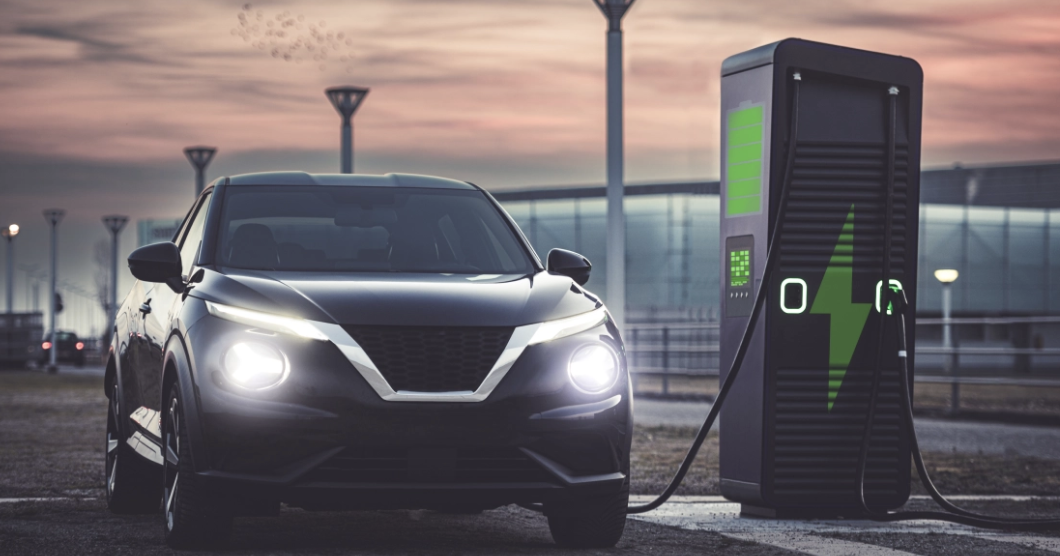
Electric and hybrid car drivers will face a new per-mile tax from 2028, Chancellor Rachel Reeves revealed in the Autumn Budget. The Electric Vehicle Excise Duty (eVED) ends the current exemption for these eco-friendly rides, charging motorists based on how far they drive.
Big Changes Hit Motoring Taxes from 2026
The shake-up starts earlier, with Vehicle Excise Duty (VED) for cars, vans, and motorcycles rising in line with inflation from April 1, 2026. High-polluting vehicles could see bigger hikes, while heavy goods vehicles face similar increases, including a heftier levy.
The Expensive Car Supplement threshold will also jump to £50,000 for zero-emission vehicles registered after April 1, 2025, benefiting owners of pricier electric and hydrogen-fuelled wheels.
Company Cars and Plug-In Hybrids Get Tax Tweaks
- Employee Car Ownership Schemes will be taxed under Benefit-in-Kind rules starting April 6, 2026, but enforcement won’t kick in until 2030, with a transition period until 2032.
- A temporary tax break on plug-in hybrids will run from January 2025 to April 2028 to stop sudden tax spikes caused by tougher emissions rules.
Support for UK Car Industry and Controversy
Reeves says the reforms “boost our British car industry” and promises over £1.5 billion in EV funding plus savings of £440 a year for more than one million motorists. But critics slam the per-mile charge as a betrayal of drivers lured to electric vehicles with tax perks.
Motoring groups warn this could backfire, putting off buyers just as the UK aims to ditch petrol and diesel cars by 2030.
Stay tuned to Britannia Daily for the latest on these motoring tax overhauls.