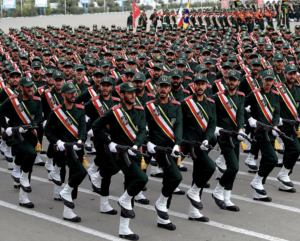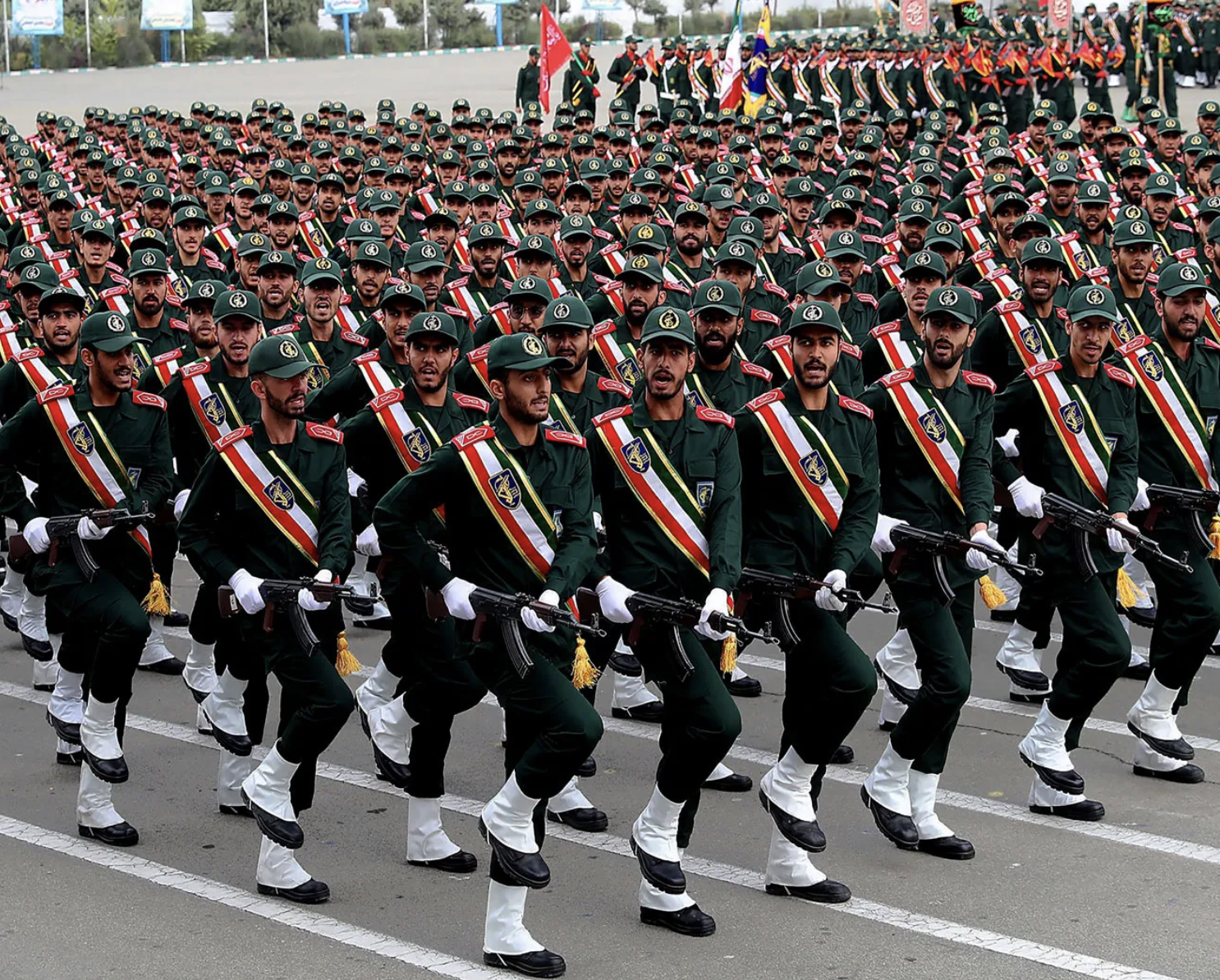
Britain has resisted calls to fast-track a law banning Iran’s notorious Islamic Revolutionary Guard Corps (IRGC), even after the European Union declared it a terrorist organisation. Intelligence and diplomatic officials are worried that outlawing the IRGC could blow up vital ties with Tehran.
MI6 and FCO Warn of Diplomatic Fallout
Sources say MI6 and the Foreign Office don’t want to proscribe the IRGC, fearing it could see British diplomats kicked out of Iran and crucial communication channels shut down. The Home Office confirmed it is drafting a bill aimed at hostile state agencies, including the IRGC, but stressed it won’t be rushed through Parliament. Officials expect the legislation to come later this year.
The US has long advocated keeping the British embassy in Tehran as a key back channel for engaging with Iran’s regime. Britain, meanwhile, prefers to focus on imposing sanctions — already hitting more than 500 Iranian figures with asset freezes.
New Powers to Crack Down on IRGC Operatives
- The proposed bill would empower police to seize passports of suspected IRGC agents.
- It would allow suspicionless stop-and-searches in high-risk areas, including around the Israeli embassy.
- Offenders assisting or profiting from the IRGC could face up to 14 years behind bars.
- Publicly supporting the IRGC or displaying their insignia could become a criminal offence.
Jonathan Hall KC, the independent terrorism law reviewer behind the plan, said current laws aren’t enough to tackle foreign state intelligence threats.
Opposition and Ex-Officials Demand Faster Action
Shadow Foreign Secretary Priti Patel blasted the government’s “silence on the IRGC,” calling it “appalling” given Tehran’s brutal record of killing, torture and terrorism sponsorship.
“The brutality of the Tehran regime is an affront to humanity. Thousands slaughtered, many more injured and tortured, and show trials continuing, all while Iran sponsors terrorism and threatens regional security.” – Priti Patel
Former Labour Home Secretary Lord Blunkett told The Times: “It’s long overdue. We must make clear that this organisation is unacceptable and should be proscribed.”
Meanwhile, Iran’s Foreign Minister slammed the EU’s move as a “stunt” and warned it would be a “major strategic mistake.”
Diplomatic Tug-of-War at Whitehall
The row exposes a clash between preserving diplomatic channels and stepping up tough action against a group that crushes Iranian dissent and fuels regional chaos. The government faces rising pressure from Labour heavyweights and parliamentarians to speed up the new law, but intelligence and diplomacy chiefs want to tread carefully.
The exact timetable for the legislation remains unclear amid ongoing Whitehall wrangling.

![Trevelle Rowland [Mugshot]](https://uknip.co.uk/wp-content/uploads/elementor/thumbs/Trevelle-Rowland-Mugshot-rie6e0gfufkkunbp4x9whhins13h325v4f5prbb75s.avif "Trevelle Rowland [Mugshot]")