Runway Drama at Nice Airport
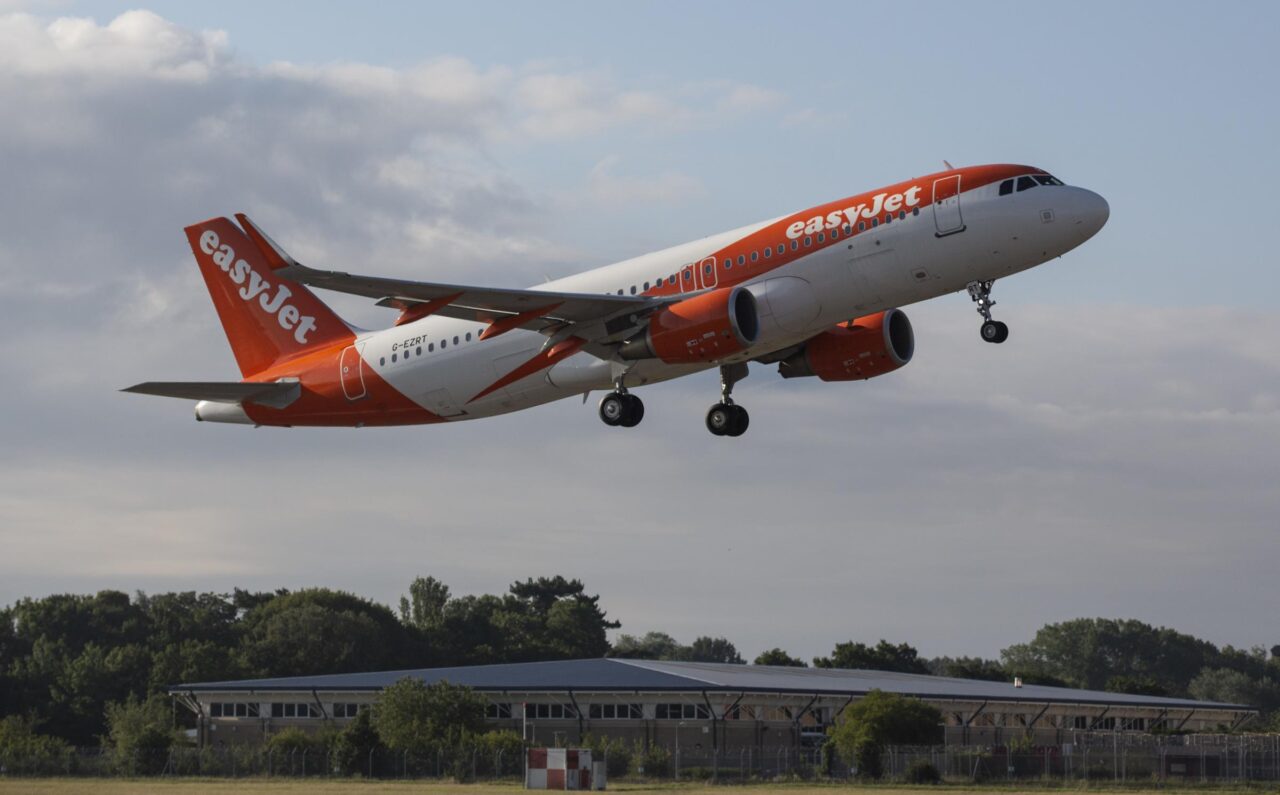
An EasyJet jet narrowly escaped disaster when a Tunisian Nouvelair aircraft almost collided with it on the runway. The Nouvelair pilot mistakenly lined up on the wrong runway at Nice Côte d’Azur Airport — which has two close parallel strips.
The Tunisian Airbus had to throttle up and speed along at 170mph to avoid smashing straight into the EasyJet plane preparing for takeoff.
Shockingly, the two jets came within just 10 feet of each other, making this one of aviation’s closest calls ever.
300 Passengers Caught in Close Call
Each flight carried around 300 passengers who were left shaken by the near miss. One passenger told French outlet Le Figaro the EasyJet captain was in a “visible state of shock” after the terrifying moment.
“The plane was about to take off when we heard an enormous noise of engines right alongside,” a passenger said.
The airport management quickly blamed the Tunisian pilots, saying: “It seems that the Nouvelair pilot made an error.”
EasyJet Flight Abandoned After Incident
Following the incident, the EasyJet Crewcrew decided to abort their flight to Nantes. Both flights’ passengers were spared disaster thanks to Quickquick action from the Tunisian crew.
French Transport Minister Philippe Tabarot confirmed england/the-close/”>england/the-close/”>the close shave, saying a “catastrophic collision” was “narrowly avoided.”
More EasyJet Near Misses This Year
This is not the first time EasyJet has faced runway chaos. Earlier, a pilot was suspended after flying too close to a Mountainmountain near the Red Sea, while another flight had to evacuate passengers after colliding with a tow vehicle at Manchester Airport.
Emergency services arrived at Nice and Manchester airports after both incidents, though thankfully no one was hurt.
As airports tighten safety, this latest brush with disaster highlights just Howhow razor-thin the margins are when hundreds of lives are at stake.