Temporary buildings, also known as semi-permanent structures, are becoming a go-to choice for most people looking for cost-effective living and office spaces. Constructing conventional brick-and-mortar structures is expensive and time-consuming. Flexibility is also limited when you need to relocate or convert the building.
Here is where temporary buildings come into play as a cost-effective option with many benefits and use cases over traditional structures. These structures are making their mark in real estate and industrial spaces.
Below, we look at how temporary buildings are changing the construction industry.
Shorter Construction Times
One of the primary advantages of temporary structures is the short construction time. Setting up a semi-permanent building can take one to four weeks depending on its size. This makes it a suitable option for emergencies.
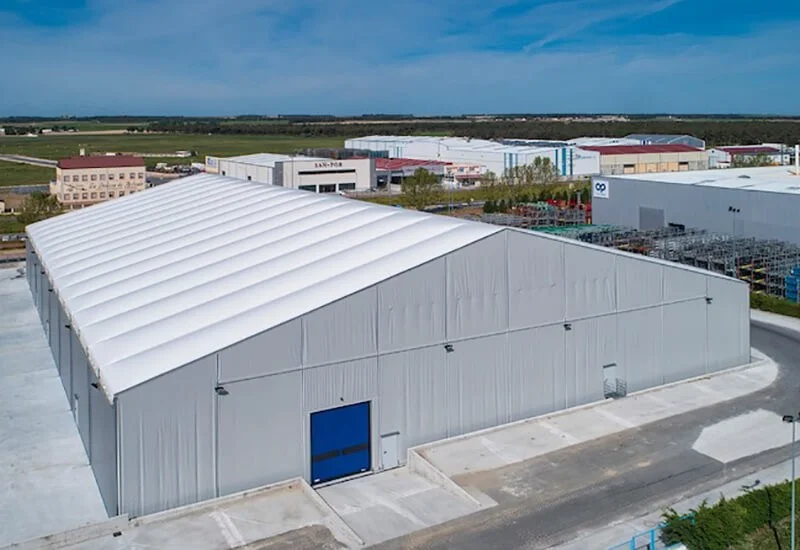
Most temporary structures, for example, industrial tents, can be set up on most types of surfaces, cutting down the construction time and costs. The materials used are prefabricated and arrive on-site ready for setup.
Cheaper and Cost-Effective Option
Setting up a temporary structure will cost significantly less than building a brick building of the same size. Materials used for setting up temporary buildings are cheaper than what you will require to construct a brick-and-mortar structure. The materials can also be reused for other projects.
Other expenses like labour and reduced need for heavy machinery and equipment also contribute to cost savings. This is what makes temporary structures an attractive option for businesses looking for budget-friendly storage or office solutions.
There are also various options available on the market. Smart-Space, one of the leading temporary building experts in the UK, offers bespoke designs matching client and business needs.
Versatility
One thing where temporary buildings win hands down over conventional structures is versatility. Temporary structures are incredibly versatile and can be adapted for a wide range of applications. They can be used as office spaces, warehouses, classrooms, or even as temporary indoor arenas.
The versatility of temporary structures is a game-changer as they can be repurposed. This often reduces the need for multiple permanent structures for different phases of a project. For example, warehouses can be converted into office spaces or pop-up retail shops.
Mobility and Scalability
Temporary buildings are a plus for businesses operating on leased property. Look at it this way: you cannot relocate a brick-and-mortar structure without destroying it. However, this is different when it comes to temporary or semi-permanent structures.
The structures can be pulled down and the materials transported to the new location. Expanding the building to accommodate changes is also simple and easy. This is a massive plus for fast-growing businesses looking for extra space for their storage or work needs.
Environmental Benefits
Sustainability has become a crucial consideration in today’s world. Every industry is on the lookout for eco-friendly and sustainable options. Temporary buildings offer numerous environmental benefits.
The structures come fitted with energy-saving features. For example, most structures come with clear-span PVC roofs to let in natural light during the day. They also produce less waste materials as the buildings are often prefabricated off-site and assembled on location. The materials can also be recycled or reused, reducing the carbon footprint of temporary structures.
Summing Up
Temporary buildings are changing how construction projects are planned and executed. Users can get bespoke designs complete with fittings and a finish to mimic conventional houses. The options are many depending on your budget and use case.
As the need for sustainable and versatile spaces grows, the adoption of temporary buildings is likely to become even more widespread. Ensure that you do your research and consult a construction expert to help you make the best decision when purchasing temporary structures.