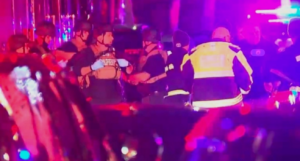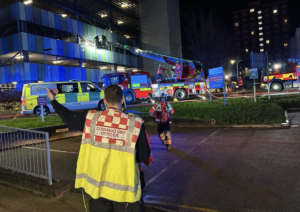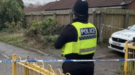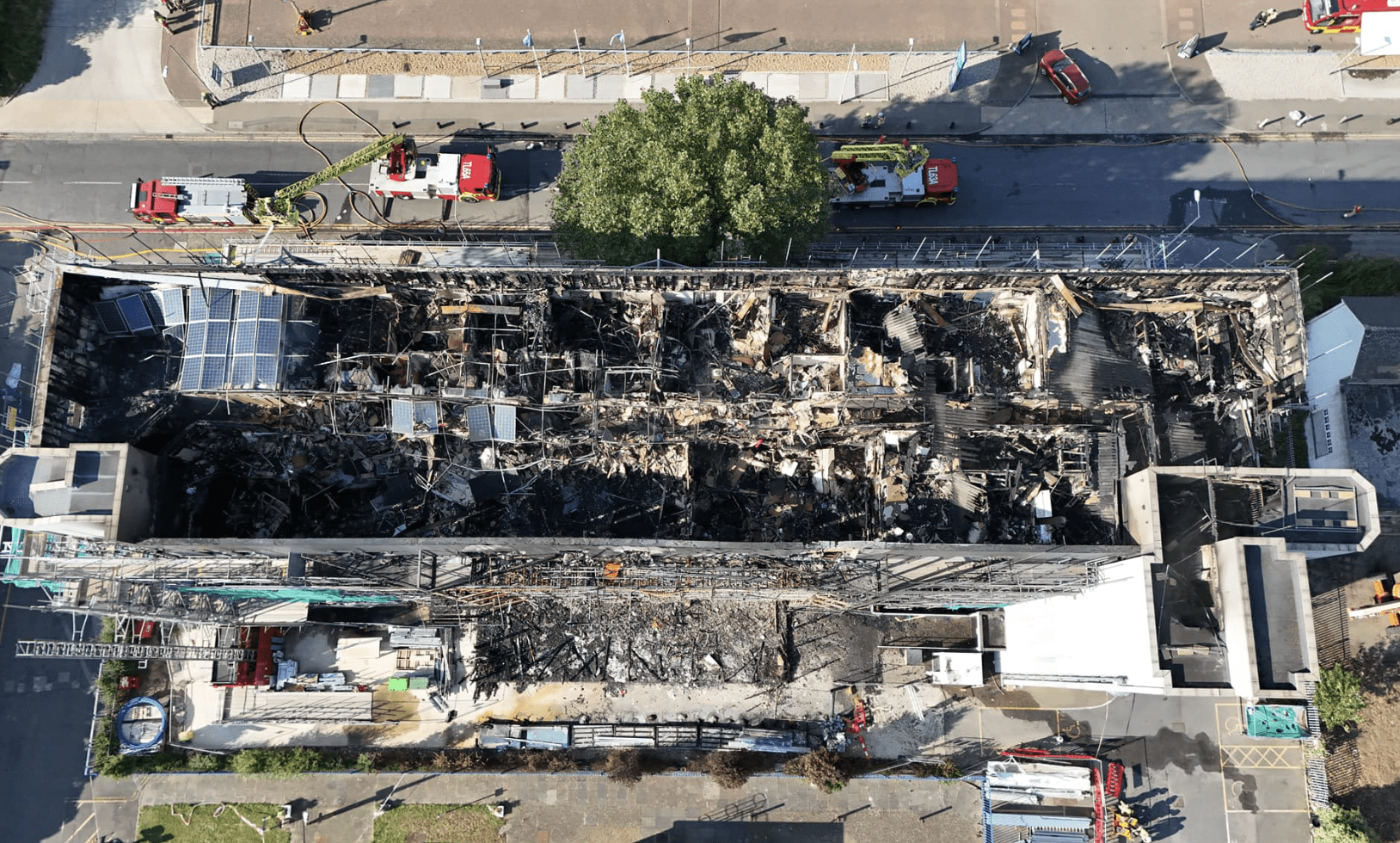
London Fire Brigade Commissioner Andy Roe has stated that the investigation into the devastating fire at a tower block in Dagenham is expected to be “protracted and complex,” with some areas of the building still inaccessible due to safety concerns. The fire, which broke out in the early hours of Monday morning, led to the evacuation of over 100 residents and resulted in two hospitalizations.
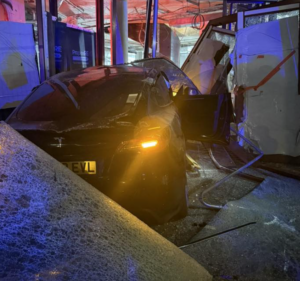
Speaking at the scene, Commissioner Roe emphasised the severity of the incident, describing it as a “very significant building failure.” He stressed that the investigation would be a top priority for the fire service in the coming weeks, but cautioned that the extensive damage to the structure had rendered parts of the building unsafe to enter.

“Due to the extensive damage to the building, with parts of it now being declared unsafe to access, it is difficult to make entry in there to do that investigation,” Roe said. That means it is likely to be protracted and our fire investigation and fire safety officers are likely to be on-scene for many days.

The cause of the fire and the reasons behind its rapid spread remain unclear. Last week, a contractor had posted on Facebook that the building’s “non-compliant” cladding was in the process of being removed, raising concerns about whether the cladding played a role in the fire’s progression.
Calls for Urgent Action on Fire Safety
The fire has reignited national concerns about fire safety, particularly in relation to cladding on high-rise buildings, an issue brought to the forefront after the Grenfell Tower fire in 2017, which claimed 72 lives.
Deputy Prime Minister Angela Rayner acknowledged that efforts to improve fire safety across the country were “still too slow.
Rayner highlighted the need for more rapid action to remove dangerous cladding from buildings and stressed that building owners and regulators needed to accelerate the pace of remediation work. “There’s a responsibility to make sure that that’s removed as quickly as possible,” she said.
Government figures indicate that of the 4,600 buildings identified as having potentially unsafe cladding, only 50% have had work either started or completed.
Support for Displaced Residents
Barking and Dagenham Council confirmed that the affected building was privately owned, but assured that it was working closely with partners to support displaced residents. Emergency accommodation has been provided for those who are unable to return to their homes, and efforts are underway to secure longer-term housing solutions.
“We’ll continue to support residents to secure longer-term accommodation,” a council spokesperson said.
Fire Brigades Union Calls for Urgent Change
Matt Wrack, General Secretary of the Fire Brigades Union, echoed concerns about the slow pace of change in addressing fire safety issues in residential buildings. Wrack, whose union has been vocal on fire safety matters since before the Grenfell disaster, urged the government to take more serious action.
“People are not taking fire safety in residential buildings seriously enough,” Wrack said. We’ve got a new government, and I hope that they will sit up and take notice and work with us… to correct this.”
The fire in Dagenham serves as a stark reminder of the ongoing fire safety challenges facing the UK, and many are now calling for urgent reforms to prevent further tragedies.