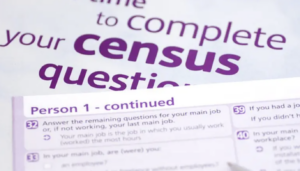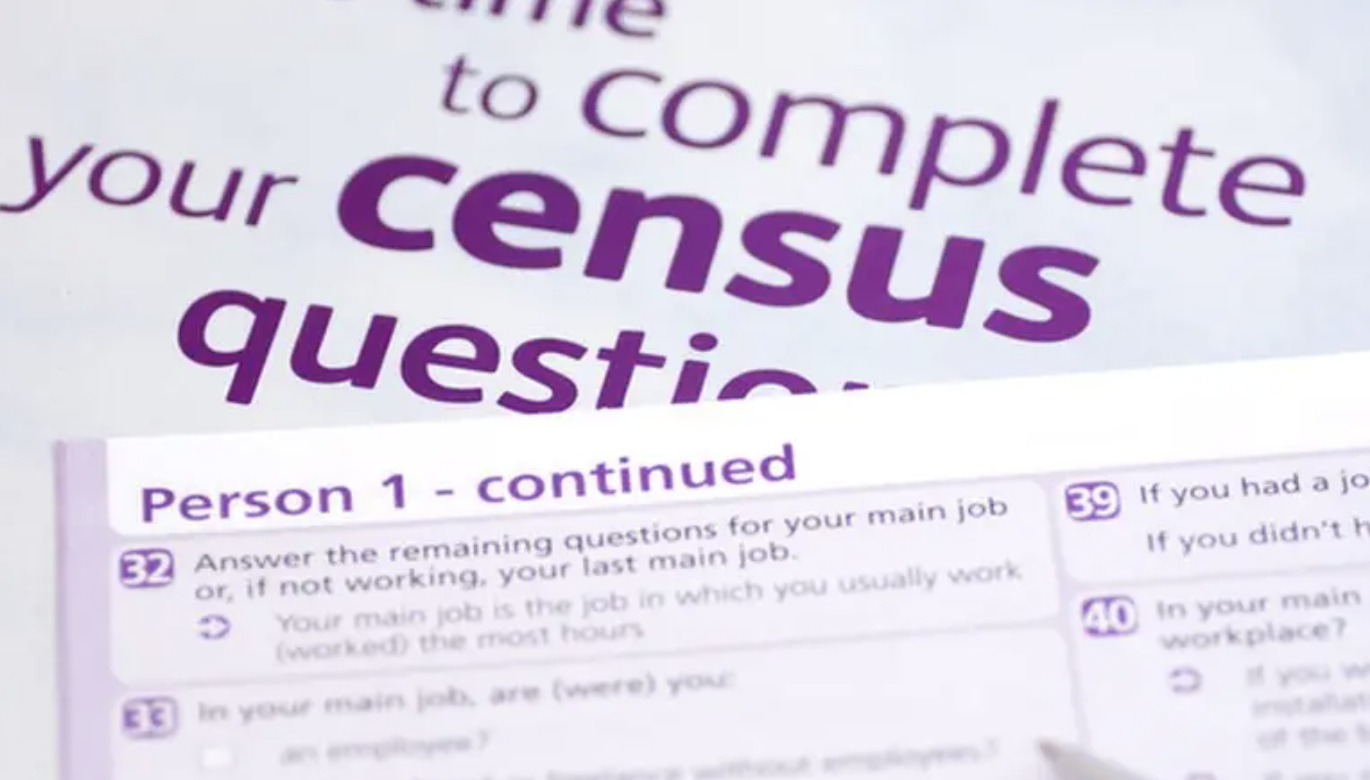
New census data exposes a shocking language divide in England and Wales. Nearly 800,000 people say they cannot speak English well. Worse still, almost 138,000 admit they cannot speak the language at all.
Soaring Number of Migrants Learning English on the Taxpayer
Figures from a Freedom of Information request show 168,730 migrants aged 16 and over enrolled on taxpayer-funded English for Speakers of Other Languages (ESOL) courses in 2024/25. That’s a rise of 44,090 students in just five years.
The Department for Education has shelled out £347 million on these lessons since 2018/19, not counting extra funding from devolved authorities.
Where Are Struggles Most Acute?
- Nearly one-third of people with limited English come from Syria.
- More than a quarter of Bangladeshis face the same challenge.
- One in five migrants from China and Pakistan arrive unable to speak English.
- In Glasgow, one in three pupils reports a first language other than English.
Politicians Slam ‘Disgraceful’ Waste of Taxpayer Cash
Shadow Home Secretary Chris Philp condemned the situation as “disgraceful.” He said: “The hard-pressed British taxpayer should not be funding English lessons for immigrants.”
Philp warned that failing to integrate immigrant communities risks creating isolated enclaves, undermining shared British values and identity.
Former Immigration Minister Kevin Foster added: “While tougher language rules might help, those gaming the asylum system aren’t deterred. Many live in communities where they don’t need to speak English, creating division.”
Robert Bates, Research Director at the Centre for Migration Control, slammed ESOL programs as a “ridiculous waste of money” and called for people unable to speak English to not be allowed in the country.
William Yarwood of the Taxpayers’ Alliance branded the current system “inevitable chaos” caused by lax language rules. He demands stricter English requirements before arrival, not taxpayer-funded catch-up classes.
Net Migration Falling – But Language Gaps Remain
While net migration numbers have plummeted—from 906,000 in 2022/23 to just 204,000 projected for 2024/25—the challenge of integrating non-English speakers keeps growing. The scale of language barriers poses a real test for communities and taxpayers across the UK.