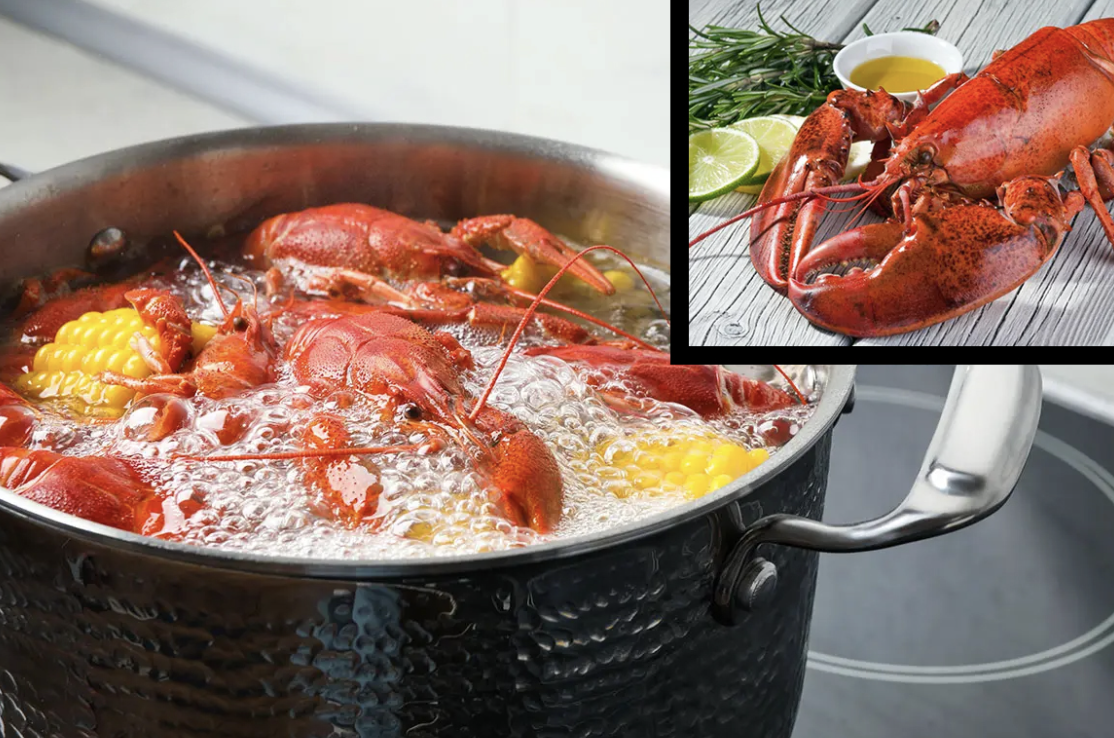
The Government has slammed the brakes on the age-old practice of boiling lobsters and crabs alive, a move rocking restaurants and fishmongers across the UK. Announced as part of Labour’s new animal welfare strategy, the ban demands crustaceans be killed humanely before cooking – no more boiling them alive in scalding water.
New Humane Rules for UK Shellfish
Under the new law, businesses must kill large clawed crustaceans like lobsters and crabs, plus shrimp, prawns, squid, and octopus using kinder methods such as freezing or electric stunning. Environment Secretary Emma Reynolds hailed the UK as “a nation of animal lovers” delivering the most ambitious animal welfare strategy in decades.
This builds on 2022 Conservative-led legislation recognising these creatures as sentient — able to feel pain and suffer — laying the legal groundwork for tougher protections against cruel treatment.
Industry Outraged Over Cost and Impact
The shellfish trade has fired back, warning the ban will hit businesses hard. David Jarrad, chief of the Shellfish Association of Great Britain, warned that restaurants and hotels face costly equipment bills near £3,500 for stunning machines. Without them, firms may ditch live UK shellfish in favour of cheaper frozen imports.
“If someone wants a live crab or lobster, they won’t pay for it if it’s dead already,” said Jarrad. “Our fear is that businesses won’t buy stunning gear and just import frozen seafood instead.”
Animal Welfare Groups Celebrate Breakthrough
Crustacean Compassion’s Dr Ben Sturgeon praised the ban as a “vital step forward” against the torture of dropping live shellfish into boiling water. He described the prolonged agony lobsters and crabs endure, calling it “completely avoidable” with humane alternatives like electric stunning already available.
“These animals should be killed swiftly and without unnecessary suffering,” Dr Sturgeon added.
Science Backs the Ban
The policy rests on scientific proof showing crustaceans have complex nervous systems and learn to avoid painful experiences—a true sign of sentience. These findings led to the historic legal recognition of their ability to suffer, forcing a rethink of how we cook and handle them.
Challenges Ahead for Shellfish Industry
Shifting to humane dispatch will require investment and training across fishing, retail, and hospitality sectors. The Government plans to issue detailed guidance and enforce compliance, but timelines for rollout remain unclear.
Clash of Compassion and Commerce
Animal lovers see the ban as overdue justice. Critics warn it risks wrecking the British live shellfish market, driving businesses to cheaper foreign imports with lower welfare standards. The coming months will test if the Government can juggle improved animal welfare with protecting home-grown shellfish trades.