Brits travelling to Europe later this year are being warned to brace for significant delays as a major overhaul to EU border rules comes into force.
Airlines and Ports Brace for Disruption
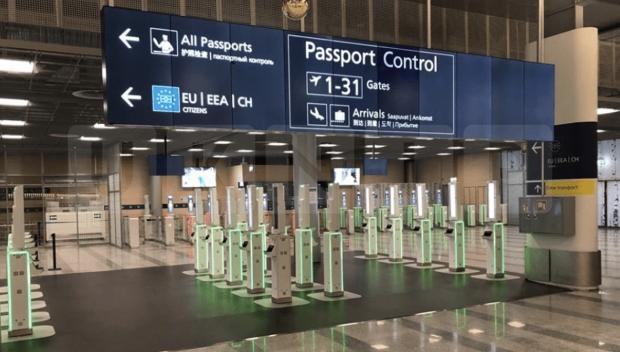
Airlines have been warned they may need to hold passengers onboard to prevent terminal overcrowding. Meanwhile, drivers using the Channel Tunnel could see wait times increase dramatically—from less than one minute currently to five to seven minutes.
Eurostar’s London terminal is racing to install 49 new kiosks to manage the expected queues, while officials at the Port of Dover have expressed concerns about long vehicle lines as drivers will be required to exit their vehicles for biometric checks.
Security First, Says EU
The EES rollout was initially scheduled for November 2023 but was delayed after concerns from Germany, France, and the Netherlands, who admitted they were not ready. However, on Wednesday, an EU committee approved plans for a phased introduction starting in October, giving member states six months to comply fully.
Assita Kanko, Belgian MEP responsible for the EES, defended the move, saying:
“We will no longer let the slowest pupils hold the whole class back. The safety of Europeans can no longer be postponed.”
She added that reliance on paper stamps was outdated, saying,
“The EES is not just a security measure but also aids legal travellers more efficiently, with fewer queues and increased certainty.”
Looking Ahead: Visa Waivers Incoming
Travellers are also being advised to prepare for a second major change coming in autumn 2026. The European Travel Information and Authorisation System (Etias) will require Brits and other non-EU nationals to apply for a €7 (£6) visa-waiver before entering the Schengen Zone. The Etias will be valid for three years or until the traveller’s passport expires.
Airport bosses and travel companies continue to urge passengers to stay informed and allow extra time for journeys once the new systems come into effect.