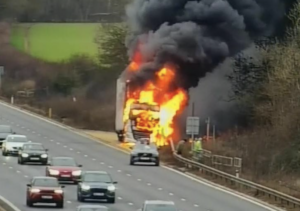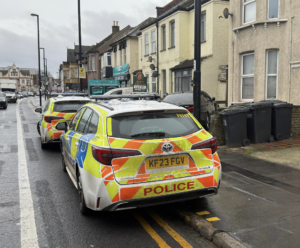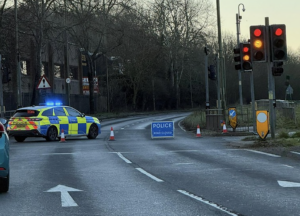
Every second counts in an emergency. When someone dials 999 in the UK, lives may depend on %%UKNIP_ANCHOR_0%%how quickly operators gather information and dispatch the right responders. Traditionally, call handlers have relied on scripted questions, their own experience, and human intuition. Now, %%UKNIP_ANCHOR_1%% (AI) is being introduced to make emergency responses faster, smarter, and Moremore accurate than ever before.
Why Emergency Services Are Turning to AI
The Volume of 999 Calls
In the UK, emergency services receive %%UKNIP_ANCHOR_2%%over 30 million calls annually. Handling such a high volume under intense pressure leaves room for human error, delayed responses, and misinterpretation of vital details. AI is designed to support operators, not replace them, by analysing information in real time.
The Need for Speed
When responding to cardiac arrests, strokes, or serious accidents, a delay of even 60 seconds can significantly impact survival rates. AI systems are trained to spot keywords, patterns of speech, and background sounds, alerting call handlers to the urgency of a case faster than a human ear alone.
How AI Supports 999 Call Handlers
Real-Time Speech Recognition
AI voice recognition software can transcribe calls instantly, highlight critical information, and suggest next steps to operators. For example, if a caller says "chest pain," the system can prioritise medical response while simultaneously logging key details.
Identifying Stress and Risk
AI tools can analyse tone of voice and background noise, detecting panic, aggression, or danger in a caller's %%UKNIP_ANCHOR_3%%. This helps operators escalate cases appropriately, such as alerting police during a violent domestic incident.
Data Integration Across Agencies
AI can automatically wales/cross-wales/”>cross-england/”>cross/”>cross-reference databases, from medical histories to known addresses, so emergency responders arrive with fuller situational awareness. This reduces duplication of questions and shortens call duration.
Expert Insights
Professor Emily Carter, a digital health and emergency systems researcher at the University of %%UKNIP_ANCHOR_4%%, explains:
"AI is not about replacing human empathy in a 999 call. It's about giving call handlers better tools to make faster, evidence-based decisions. The technology enhances human judgment rather than taking it away."
This balance between automation and compassion is at the heart of AI %%UKNIP_ANCHOR_5%% in emergency services.
Midpoint Reflection: Human–AI Collaboration
At the centre of this transformation is the collaboration between people and machines. Call handlers remain the human connection in a crisis, but AI acts as a second set of ears and eyes. Operators can even %%UKNIP_ANCHOR_6%% systems during live calls—checking medical protocols, suggesting response times, or verifying caller location data. This interaction is seamless, reducing stress on human staff while improving accuracy in high-pressure environments.
Real-World Applications in the UK
Ambulance Services
Several NHS trusts are piloting AI triage systems that prioritise calls for ambulance crews. These tools predict patient outcomes based on the information gathered, ensuring the most urgent cases are dispatched first.
Police Control Rooms
AI tools in control rooms help classify the type of incident, assess threat levels, and recommend units to be deployed. For example, predictive models can flag calls that match patterns of previous gang-related activity.
Fire and Rescue Operations
AI systems support fire services by integrating %%UKNIP_ANCHOR_7%% forecasts, building layouts, and past incident data. This enables faster decision-making when dispatching crews to fires, floods, or hazardous material spills.
Benefits of AI in 999 Calls
Faster Response Times
AI reduces the time between call receipt and dispatch by streamlining information gathering. Early studies suggest average reductions of 15–20 seconds per call—a significant improvement when lives are at risk.
Reduced Cognitive Load on Call Handlers
By automating repetitive tasks, AI gives operators more mental space to focus on empathy, reassurance, and clear communication.
Improved Accuracy and Consistency
AI ensures protocols are followed consistently, regardless of operator fatigue or experience level. This leads to fairer and more reliable emergency responses.
Challenges and Ethical Concerns
Data Privacy
AI requires access to sensitive personal data. Emergency services must balance efficiency with strict data protection to maintain public trust.
Bias in Algorithms
If AI systems are trained on incomplete or biased data, they may unintentionally reinforce inequalities in emergency response. Regular auditing and transparency are essential.
Human Oversight
AI should never operate independently in emergencies. Final decisions must remain with trained human operators to ensure accountability and compassion.
Looking Ahead: The Future of AI in Emergency Response
The future of AI in emergency services lies in integration. Advances in natural language processing, predictive analytics, and geolocation will make 999 responses faster and more precise. At the same time, training will focus on empowering operators to use AI as a trusted partner.
Some experts envision a "digital twin" of emergency services—a virtual AI system that learns from every call, continuously improving protocols and response strategies. If developed responsibly, this could revolutionise public safety across the UK.
Conclusion: Faster, Smarter, More Human
AI has the power to transform 999 call handling, making responses faster, more accurate, and more consistent. Yet, its greatest strength lies in its ability to support human operators rather than replace them.
The future of emergency response in the UK will be built on human–AI collaboration—where operators bring empathy and judgment, and AI provides speed and precision. Together, they can ensure that every second counts in %%UKNIP_ANCHOR_8%% lives.