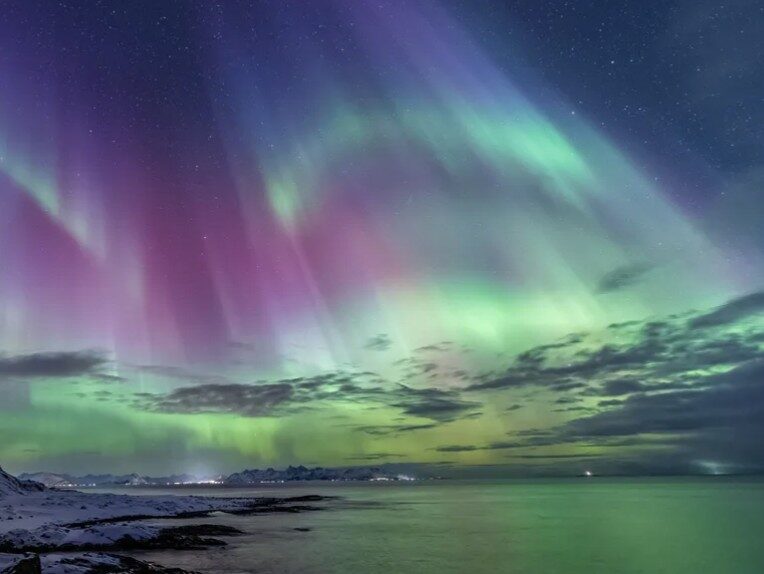
Northern Lights Could Shine Over London
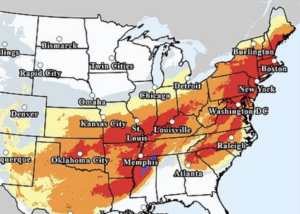
The Space Weather forecast reveals that CMEs blasted from the Sun on October 3 and 4 are set to reach Earth from October 6 onwards. This solar blast might supercharge the aurora, making the Northern Lights visible not just in Scotland but potentially as far south as London — weather permitting.
The Met Office expects clear early evening skies, but clouds could roll in later, so keep your fingers crossed for a clear night.
What Sparks the Spectacle?
The Royal Museums Greenwich explains: “Solar storms fling huge clouds of electrically charged particles millions of miles through space. Most miss us, but some get caught in Earth’s magnetic grip and dash toward the poles, where they collide with our atmosphere and create the dazzling aurora.”
Royal Observatory astronomer Tom Kerss says: “These particles slam into atoms in our atmosphere and heat them up in a process called ‘excitation’ — basically making gases glow.”
Where and When to Watch the Lights
- Iceland remains the top spot for Northern Lights viewing, thanks to its location near the Arctic Circle.
- In the UK, prime Northern Lights viewing happens during strong solar activity and clear, dark nights away from city lights.
- According to Icelandair’s expert Gísli S. Brynjólfsson, the best months are September through March when nights are longest and darkest.
- Peak aurora time is typically 9pm to 2am, with the display often growing stronger as the night progresses.
- Seek out beaches and countryside parks far from light pollution for the best chance to catch the glowing show.
Snap the Lights Like a Pro
If you’re aiming to capture this stunning natural show with your iPhone, here are expert tips from Icelandair:
- Enable night mode; it usually pops up as an icon in low light.
- Turn off the flash to avoid ruining your shot.
- Maximise exposure by opening the settings menu and adjusting the exposure level — start at -0.7 and experiment.
- Hold your phone horizontally for wider shots and use a tripod or steady surface to avoid blur.
Remember, between 9pm and 2am is your best bet to witness and photograph these magical glows.