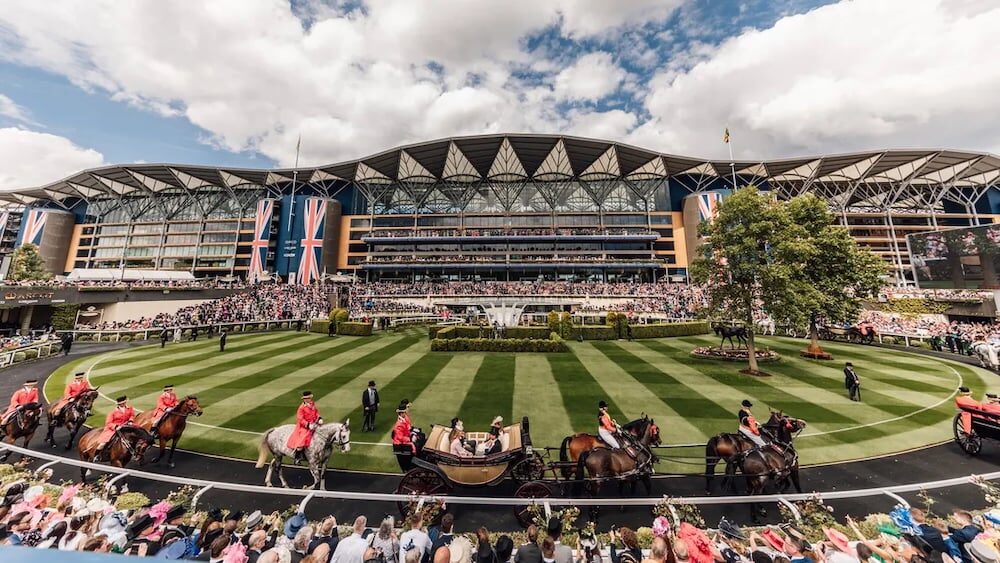
Few sports capture the culture and history of Britain as well as horse racing. From the thundering hooves of Aintree to the pomp of Royal Ascot, racing occupies a special place in the nation’s heart. It is a sport that transcends class, one that involves community, and one with an atmosphere of continuity unmatched in most others.
Even though the sporting scene has altered so much over the years, horse racing has continued to be popular. It is still among the most viewed and most bet-on sports in the UK, appealing to millions of viewers, punters, and aficionados on-course and on the web. So why does horse racing have such a hold on British culture, then?
A Sport Embroidered into the National Fabric
Britain’s love of horse racing runs deep. Often referred to as “the sport of kings,” it has been ingrained in the country’s culture for over three centuries. From kings and aristocrats to ordinary fans, the sport transcends social boundaries in a way few sports do.
The Grand National, the Cheltenham Festival, and Royal Ascot are not just sporting events; they are national celebratory affairs. Each has its own individual personality.
Aintree’s Grand National, for example, is the only day of the year when everyone, irrespective of sporting interest in the context of racing, takes a punt on it, gathers around televisions, and all breathe together as 40 horses and jockeys charge towards history.
At the same time, Royal Ascot fuses high sport with royal spectacle with fashion, tradition, and sporting excellence together. These festivals are not just about racegoers, but also serve to unite generations and communities across the UK, and they remind everyone that racing is a culturally distinctive part of our landscape.
Digital Age and Modern Engagement
Horse racing has moved with the times. The sport that once lived almost entirely on the racecourse now thrives online, streamed to phones and followed across countless feeds and forums. Fans check results in real time, swap tips on social media, and watch replays wherever they happen to be. It’s a very different world from the days when the only way to follow a race was through the radio or the next day’s papers.
Part of that change has come from how easy it is to find everything you need in one place. Websites like sport.netbet.co.uk/horse-racing/ bring together racecards, live odds, and results so that anyone can stay connected to the action as it happens. It’s become second nature to look up a horse, follow the markets, or see how your pick is running without setting foot on the course. That level of access has opened the sport to a new wave of fans who value both tradition and convenience.
Social media has added its own twist too. Behind-the-scenes clips, interviews, and fan pages keep the conversation alive long after the final furlong. Racing has kept its roots, but it’s learned how to speak the language of the digital age.
Economic and Cultural Significance
Racing is not just a sport; it’s also a massive earner for the British economy. Industry sources have it that the sport generates billions of pounds annually and provides jobs for tens of thousands of people: from trainers and breeders to events personnel, jockeys, and hospitality staff.
Every major racing event is an economic force for its host region. Cheltenham and Newmarket are examples of towns that reap the benefits of tourism, hotels, and shopping during festival week. Apart from the monetary contribution, racing also has a critical role in maintaining rural life and culture, as much through breeding schemes and training stables that sustain Britain’s countryside heritage.
This convergence of sport, economy, and society has made horse racing an institution rather than just an event. It’s part of the fabric of British life, as integral a part of the social calendar as Wimbledon or the FA Cup Final.
A Sport for Every Generation
Another reason why horse racing continues to endure is that it has the ability to appeal to all age ranges. For many families, a day at the races is a cherished tradition, passed down by grandparents and parents. The thrill of a racecourse, with tension, suspense, and shared enthusiasm, creates a lifetime memory.
At the same time, new supporters are getting to appreciate racing by means of newer forms like syndicate ownership and fantasy racing leagues. The developments render the sport more accessible to be involved with, wherein followers get to feel directly involved without needing deep pockets.
The advent of female jockeys and trainers has also shifted the sport. Names such as Rachael Blackmore and Hollie Doyle have brought down centuries-old boundaries, ushering in a new generation of supporters and proving that the future of horse racing will be just as open as it is competitive.
The Role of Tradition and Prestige
While other sports have integrated innovations with staggering rapidity, horse racing has evolved without losing its sense of tradition. Every element (from the ritual finery of Royal Ascot to the centuries-old racecourses) causes the present to meet the past.
This is all a part of the sport’s charm. The spectators aren’t just watching a race; they’re witnessing a living piece of history. The inter-generational continuity, where modern-day champions are echoing the triumphs of legends like Red Rum or Desert Orchid, gives racing a timeless narrative few sports can match.
As technology further enriches the viewing experience, it does not alter the essence of horse racing: man and beast pushing limits of endurance, ability, and courage in pursuit of glory.
The Future of British Horse Racing
Ahead, the sport will face its challenges and opportunities. Welfare standards, climatic conditions, and competition for viewers’ attention are some of the issues that will continue to shape its future direction. Yet the sport’s responsiveness and devoted pool of followers suggest that it will continue to run.
The focus of the racing sport on digital innovation, safety, and transparency is a declaration of its intention to stay relevant. Partnerships between broadcasters, racing institutions, and digital platforms are creating global reach and engagement so that the excitement of British racing is echoed across the globe.
If anything, the future of the sport lies in its balance of old and new: preserving the heritage which makes it unique while embracing the innovation which sustains it.
Conclusion
The allure of horse racing is in its unique mix of spectacle, tradition, and human drama. It’s not a sport, it’s a shared national pastime that sums up the British spirit: competitive and communal, old-fashioned but changing.
From the glamour of Ascot to the grit of Cheltenham, horse racing remains the great commoner that brings people together across generations and backgrounds. While technology, inclusivity, and passion continue to shape its transformation, one thing is certain: horse racing is not only part of British sporting culture. It’s its pulsating heart.