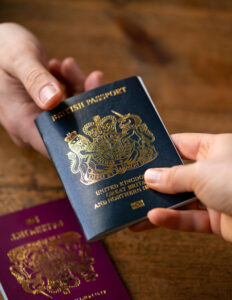
British holidaymakers heading to Europe face fresh travel chaos as the EU expands its new Entry/Exit System (EES). Launched last October, this tech upgrade demands fingerprints and facial scans at the border — and now it’s extending to half the EU checkpoints by January 10.
Travel experts at ABTA warn this will mean longer delays at passport control. “As more places introduce the system, queues are inevitable,” they say. UK travellers must scan four fingerprints and a facial image on first arrival, then scan for each entry and exit afterward.
Dual Border Controls Until April 2026
Until April 9, traditional passport stamping runs alongside the EES, creating a double delay risk. EU states have been ordered to implement the new system at half their border crossings by the January 10 deadline.
ABTA urges border officials to keep queues down by using contingency measures to limit delays. Registration with the EES is mandatory on first visit, then valid for three years or until the passport expires.
Where & How It Applies
- EES checks hit all Schengen area countries — including Iceland, Norway, Liechtenstein, and Switzerland.
- Not required for travel to Ireland or Cyprus.
- At the busiest UK departure points — Dover, Eurotunnel Folkestone, Eurostar St Pancras — checks happen before leaving Britain.
- The government has pumped £10.5m into these ports to upgrade border infrastructure.
Government & Ministers Respond
“We recognise that EES checks will be a significant change for British travellers,” said Alex Norris, Minister for Border Security. “We’ve worked closely with European partners to make the rollout smooth.”
Minister for Aviation Keir Mather added: “The £10.5m funding helps ports prepare, aiming to minimise disruption at busy crossings and keep journeys smooth.”
Key Travel Tips
- No action needed before travel — registration happens at the border for free.
- Expect border checks to take 1–2 minutes per person but queues could lengthen, especially at peak times.
- At UK juxtaposed ports, peak period waits may also rise as registrations happen pre-departure.
For Brits planning a European getaway, brace for longer waits at the border through January and early 2026 — patience is the watchword for smoother travel ahead.