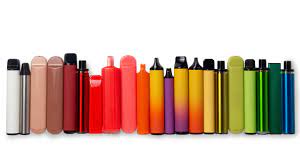
In a move aimed at curbing the increasing prevalence of young people taking up vaping, the UK government has announced plans to ban disposable vapes. Additionally, measures will be introduced to prevent the marketing of vapes to children and to target underage sales.
According to figures from the Action on Smoking and Health (Ash) charity, 7.6% of 11 to 17-year-olds now regularly or occasionally use vapes, up from 4.1% in 2020.
The ban on disposable vapes is expected to be implemented nationwide, with Prime Minister Rishi Sunak set to outline the plans during a school visit on Monday.
Mr Sunak expressed concern over the rising trend of vaping among children, stating, “As any parent or teacher knows, one of the most worrying trends at the moment is the rise in vaping among children, and so we must act before it becomes endemic.
Although it is already illegal to sell any vape products to individuals under 18, the government highlighted that disposable vapes, often sold in smaller, more colourful packaging than refillable alternatives, have been a key factor contributing to the surge in youth vaping.
While the exact timeline for the ban’s introduction remains unclear, it may be enacted using existing legislation, allowing retailers six months to comply once the timing is confirmed.
Additionally, the proposed changes aim to restrict the sale of refillable vapes in flavours appealing to children and mandate plainer, less attractive packaging for such products. Retailers may also be required to display refillable vapes out of sight of children and away from other products that may appeal to them.
Further public consultation will determine which vape flavours should be banned and how refillable vapes will be sold.
To deter underage sales, additional fines will be imposed on shops in England and Wales found illegally selling vapes to children. Moreover, nicotine pouches, which release nicotine without tobacco and are currently legally available to under-18s, will be banned for children.
While vaping is considered significantly less harmful than smoking, its long-term risks are not yet fully understood, according to the NHS. Health leaders aim to balance the new measures’ potential benefits in reducing youth vaping with ensuring that adult smokers can transition to vaping as a less harmful alternative.
The announcement follows an initial consultation launched by the UK government and devolved administrations late last year to assess public attitudes toward measures aimed at reducing smoking and vaping rates. Nearly 70% of respondents supported the ban on disposable vapes.
Scotland and Wales have also pledged to introduce bans, either through their respective parliaments or by supporting UK-wide measures. Scotland’s public health minister, Jenni Minto, called disposable vapes a “threat to both public health” and expressed the Scottish government’s goal to be tobacco-free by 2034. Wales’s deputy minister for wellbeing, Lynne Neagle, emphasized the need to prevent youth vaping.
Although Northern Ireland lacks a devolved administration, its Department of Health intends to prepare for incoming ministers to decide on the ban.
Deborah Arnott, chief executive of Ash, lauded the government’s strategy to prevent smoking initiation and protect children while supporting smokers in quitting.
Dr Camilla Kingdon, president of the Royal College of Paediatrics and Child Health, welcomed the government’s move to create a smoke-free generation, emphasizing that it reduces the likelihood of children developing preventable diseases in the future.
In response, the UK Vaping Industry Association expressed dismay, arguing that disposable vapes have played a vital role in helping adults quit smoking. The association suggested that better enforcement of existing laws would be more effective in preventing youth access to vaping.
While the UK joins a small group of countries planning to ban disposable vapes, some may contend that the plans still do not go far enough. Calls for e-cigarette taxation and prescription-only access to vapes have arisen in different regions, highlighting the evolving challenges associated with vaping and its regulation.