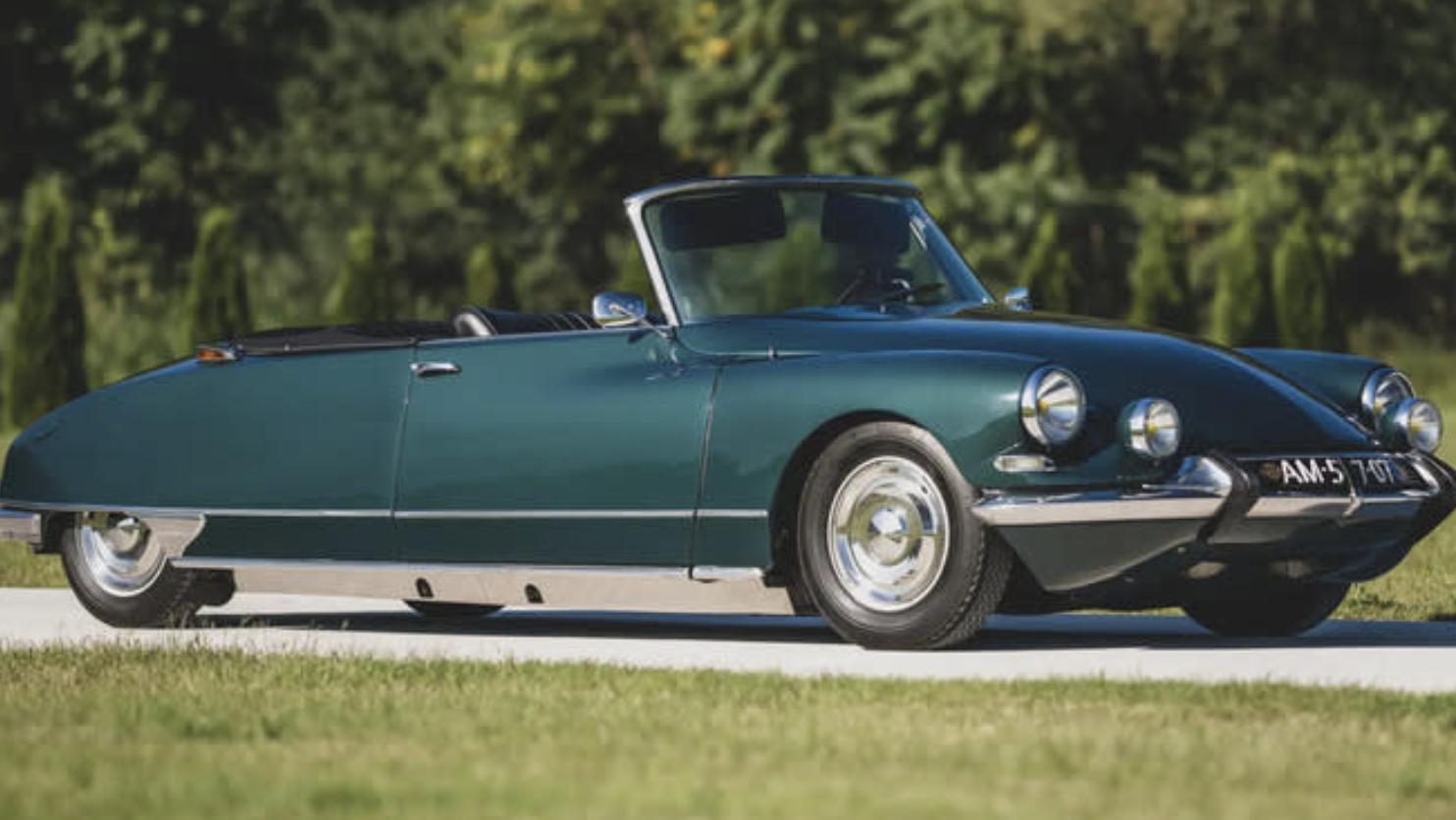
Poker has helped many disciplined players turn small stakes into practical rewards such as a first car. With global poker revenues surpassing €70 billion in 2024, thousands of players earn consistent side income from online tournaments and live cash games. The key is structure, patience and a clear financial goal that transforms winnings into something tangible.
A mid-range used car in Europe costs around €9,000, according to data from automotive market analysts. Reaching this goal through poker requires calculated play, steady bankroll growth and realistic expectations of return rates. Unlike one-time wins, gradual progress ensures sustainability and prevents burnout.
Setting a Realistic Target
To buy a car through poker, players first define a reachable profit goal. For instance, at %%UKNIP_ANCHOR_0%%, small-stakes tournaments and cash tables allow consistent profits of 10–15 € per session for skilled regulars.
A structured monthly target chart helps visualise progress:
|
Monthly Goal (€) |
Sessions Per Week |
Average Win Per Session (€) |
Total Months Needed |
|
500 |
3 |
40 |
18 |
|
750 |
4 |
45 |
12 |
|
1,000 |
5 |
50 |
9 |
Small, measurable targets prevent overplaying and allow steady bankroll accumulation.
Starting With Micro Stakes
Most successful players begin with micro-stakes tables ranging from €0.01/€0.02 to €0.10/€0.25 blinds. These levels allow learning under low financial pressure while developing decision-making accuracy. A €50 starting bankroll can support regular sessions without high risk exposure.
The average return rate (ROI) for disciplined micro-stakes players is around 10%. For instance, turning €50 into €55 per week translates to €260 annual profit. With increased skill and consistent results, bankroll growth scales into higher limits and larger gains.
Managing Bankroll and Expenses
A clear division between poker funds and personal savings prevents emotional decision-making. A balanced ratio is to reinvest 70% of winnings into the bankroll while saving 30% toward the car purchase.
Practical example: A player earning €600 per month from poker allocates €420 to continue playing and €180 into a savings account. This creates a continuous investment loop where the bankroll supports future sessions without consuming personal savings.
Bankroll control is fundamental because variance impacts short-term results. Data from online poker tracking tools shows even top players experience downswings lasting up to 10,000 hands. Discipline ensures continuity through such periods.
Choosing the Right Poker Format
Different poker formats offer varied profitability and risk levels. Low-budget players often benefit from Sit & Go tournaments or cash tables due to lower variance compared to large-field multi-table tournaments.
A format comparison illustrates expected consistency:
|
Format |
Typical Buy-In (€) |
Variance Level |
Profit Stability |
|
Cash Games |
5–50 |
Medium |
High |
|
Sit & Go |
1–10 |
Low |
High |
|
Multi-Table Tournaments |
5–50 |
High |
Moderate |
Sit & Go events often last under an hour, providing short-term opportunities for consistent profit and manageable time investment.
Using Bonuses and Rakeback Programs
Most major poker sites reward activity through rakeback and loyalty programs. These bonuses return a percentage of the rake (commission) paid in each hand or tournament. On average, players earn back 15–25% of total fees.
For example, generating €300 in rake per month can yield €45–€75 in additional income. On platforms such programs significantly supplement small-stakes earnings, accelerating the savings plan for the car.
Bonuses, freeroll entries and milestone challenges further increase total returns without requiring higher risk.
Building Consistent Skill Through Study
Poker remains a skill-based game. Regular study of hand histories, position strategy and opponent profiling separates profitable players from break-even ones.
An average improvement schedule might include:
- Two hours of gameplay review weekly.
- Watching one professional coaching session per month.
- Tracking results using software such as PokerTracker or Hold'em Manager.
Studies by iGaming data analysts show that players who review their sessions increase ROI by 8–12% within three months. Incremental improvement compounds over time, leading to stable earnings that support real-life purchases like a first vehicle.
Estimating Time to Purchase
Based on moderate play frequency and standard profit margins, reaching a car-buying goal within 12–18 months is feasible.
A sample calculation for a €9,000 car:
- Average profit per month: €600
- Savings portion (30%): €180
- Total months to reach €9,000 = 50 months (without bankroll compounding)
By increasing play volume gradually or reinvesting winnings smartly, the timeline reduces significantly. The more consistent the skill growth, the faster the purchase becomes realistic.
Selecting a Suitable Vehicle
When poker earnings accumulate, choosing a practical car reinforces financial discipline. Budget cars with low insurance and maintenance costs preserve capital for future bankroll stability.
Examples of models within the €8,000–€10,000 range include:
- Volkswagen Polo (2018–2019)
- Ford Fiesta (2019)
- Toyota Yaris (2017–2018)
- Skoda Fabia (2020)
Each of these options offers proven reliability and fuel efficiency under 5.5 L/100 km. Choosing a used certified vehicle ensures value without overspending the poker fund.
Tracking Progress With Realistic Metrics
Documenting every poker session and savings transfer ensures transparency. A weekly record of sessions, win rate and savings progress offers a clear overview of how close the target is.
Sample progress record:
|
Week |
Sessions Played |
Net Profit (€) |
Saved (€) |
Total Savings (€) |
|
1 |
5 |
120 |
36 |
36 |
|
4 |
18 |
500 |
150 |
186 |
|
8 |
36 |
960 |
288 |
474 |
|
16 |
72 |
1,920 |
576 |
1,050 |
Tracking prevents loss of motivation and builds measurable accountability over time.
Converting Poker Discipline Into Financial Reward
Buying a car with poker profits demonstrates applied discipline and strategic balance between risk and reward. Success depends less on luck than on structure—bankroll control, consistent improvement and smart spending.
When winnings are treated as managed capital rather than disposable income, poker transforms from entertainment into a practical financial tool. With patience, calculation and persistence, the first car bought from a deck of cards becomes more than an ambition—it becomes proof that skill pays off.