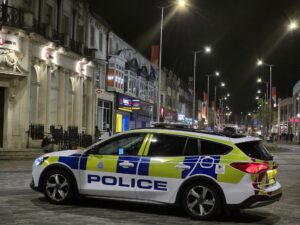
The Metropolitan Police Service (Met) has successfully arrested 540 individuals this year using Live Facial Recognition (LFR) technology, targeting offenders involved in crimes ranging from shoplifting to rape. This advanced technology is part of the Met’s mission to make London safer by harnessing cutting-edge tools to apprehend dangerous individuals.
Key Arrest Figures
- 540 arrests were made using LFR.
- Over 50 individuals apprehended for serious offences involving violence against women and girls (VAWG), including stalking, domestic abuse, strangulation, and rape.
- More than 50 sex offenders were arrested for breaching court conditions.
- Of those arrested, 406 individuals have already been charged or cautioned.
How Live Facial Recognition Works
The LFR system employs cameras positioned at pre-agreed locations to capture live footage of pedestrians. The system compares faces against a pre-approved watchlist of individuals wanted for criminal offences. Upon detecting a match, the system alerts officers, who can act swiftly to verify the person’s identity and investigate further.
The technology enables the Met to take a precise and intelligence-led approach to tackling crime, focusing resources on those who pose the greatest threats to public safety.
Success Stories
The use of LFR has led to critical interventions:
- In one case, a convicted child sex offender was stopped while with a new partner, who was unaware of the offender’s criminal history. A disclosure under Sarah’s Law was made within 24 hours, potentially preventing further harm.
- Other cases have included the identification and arrest of individuals responsible for violent crimes and breaches of court orders.
Community Safeguards and Privacy
Acknowledging public concerns about privacy, the Met has implemented robust safeguards to ensure LFR use is proportionate and respectful of individual rights.
- Biometric data of those not on the watchlist is immediately and permanently deleted.
- Matches are reviewed by officers, who conduct additional checks before making decisions on arrests.
Lindsey Chiswick, the Met’s Director of Performance, explained:
“This technology is helping us protect our communities from harm. From targeting sex offenders to apprehending those responsible for violent crimes, Live Facial Recognition is helping us deliver justice more effectively while making our streets safer.”
Future Innovations
As part of its New Met for London initiative, the police plan to expand their use of data-driven tools and artificial intelligence to tackle crime more effectively and intervene before harm occurs.
The adoption of LFR technology is a cornerstone in the Met’s strategy to modernize its operations and build safer communities for all Londoners.