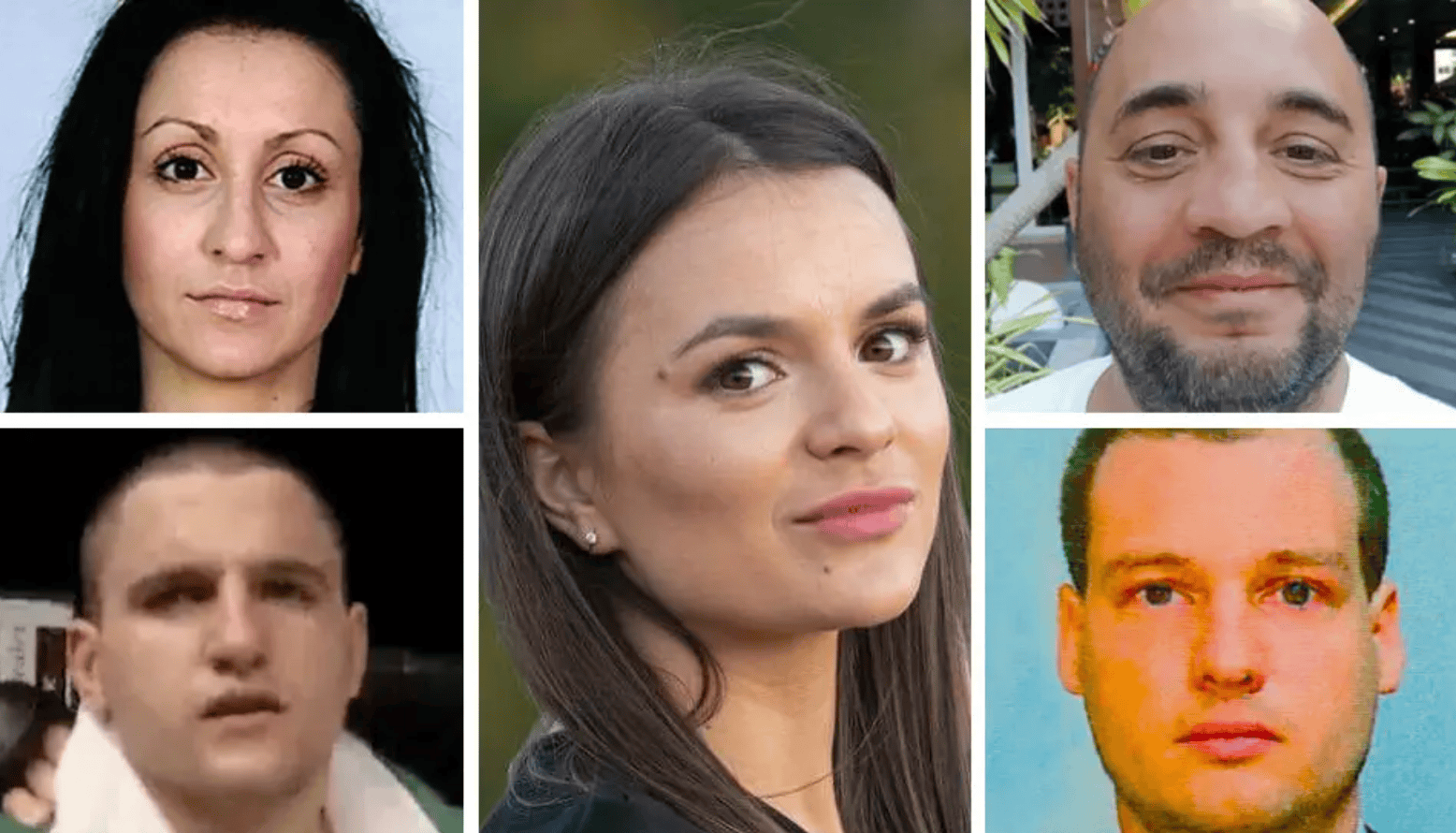
A notorious Russian spy ring operating across Britain and Europe has been dismantled after six Bulgarian nationals were sentenced to a combined 50 years at the Old Bailey today, following a sweeping investigation into espionage conducted on behalf of Moscow.
The case, described by counter-terrorism police as "espionage on an industrial scale," has exposed a chilling web of surveillance plots and state-sponsored deception, stretching from London to Montenegro and beyond.
Who Was Involved?
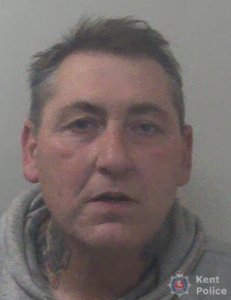
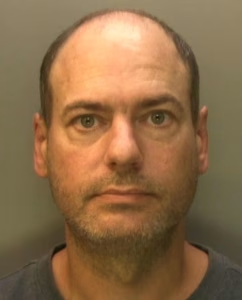
The convicted individuals are:
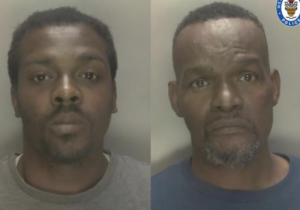
- Orlin Roussev – 10 %%UKNIP_ANCHOR_0%%, 8 months
- Bizer Dzhambazov – 10 years, 2 months
- Katrin Ivanova – 9 years, 8 months
- Tihomir Ivanchev – 8 years
- Vanya Gaberova – 6 years, 8 months, 3 weeks
- Ivan Stoyanov – 5 years, 3 weeks
Three of the defendants – Ivanova, Gaberova, and Ivanchev – were %%UKNIP_ANCHOR_1%% of conspiracy to commit espionage. The remaining trio %%UKNIP_ANCHOR_2%% to breaches under the Official Secrets Act 1911.
What Were They Doing?
The %%UKNIP_ANCHOR_3%% activities included:
- Targeting a Bellingcat journalist %%UKNIP_ANCHOR_4%% in the Salisbury poisonings.
- Surveilling a former Kazakh politician and staging fake protests%%UKNIP_ANCHOR_5%%.
- Spying on a US military base in %%UKNIP_ANCHOR_6%%, believed to train Ukrainian forces.
- Tracking a pro-Western figure in Montenegro classified by %%UKNIP_ANCHOR_7%% as a "foreign agent".
The group, led by Orlin Roussev, used spyware hidden in everyday items, and communicated via over 200,000 encrypted messages, as revealed in %%UKNIP_ANCHOR_8%% court documents.
Mastermind and Moscow Ties
Prosecutors said the spy ring was coordinated by Austrian businessman Jan Marsalek, a former executive at Wirecard, who is currently on international wanted lists. Intelligence analysts claim the case exemplifies Russia's hybrid warfare strategy, with outsourced operatives executing missions across European soil.
Reaction from Authorities
Commander Dominic Murphy, Head of the %%UKNIP_ANCHOR_9%% Counter Terrorism Command, said:
"This was a rare and %%UKNIP_ANCHOR_10%%, dealing with hostile-state activity on British soil. These convictions %%UKNIP_ANCHOR_11%%: espionage will not be tolerated."
MI5 described the case as a “milestone moment in safeguarding UK %%UKNIP_ANCHOR_12%%
Legal Background
- Offences prosecuted under the Official Secrets Act 1911 and %%UKNIP_ANCHOR_13%% Act 1977.
- Trial spanned three months, with covert footage, digital forensics, and undercover testimony used in evidence.
Broader Geopolitical Impact
The UK's intelligence community says this case represents a "wakeup call" amid rising %%UKNIP_ANCHOR_14%% of state-sponsored espionage from hostile regimes. The %%UKNIP_ANCHOR_15%% 2023 has been pivotal in enabling prosecutions for espionage, sabotage, and foreign interference.
European agencies, including ENISA and the OSCE, have echoed %%UKNIP_ANCHOR_16%% cyber and intelligence threats.
Public and Social Media Response
Social %%UKNIP_ANCHOR_17%% platform X (formerly Twitter) saw strong public support for the convictions:
- @HomeOfficeUK: "The sentencing of six Russian spies today underscores our zero-tolerance approach to hostile-state activity."
- @SecurityWatchUK: "Orlin Roussev – the ringleader – has been rightly dealt with. Let this be a warning to foreign actors operating in our country."
What Happens Next?
The %%UKNIP_ANCHOR_18%% is expected to review deportation options for those who served time. Meanwhile, the UK will expand intelligence cooperation with %%UKNIP_ANCHOR_19%% and European allies, focusing on countering "non-traditional threats" such as espionage, cyber attacks, and disinformation campaigns.