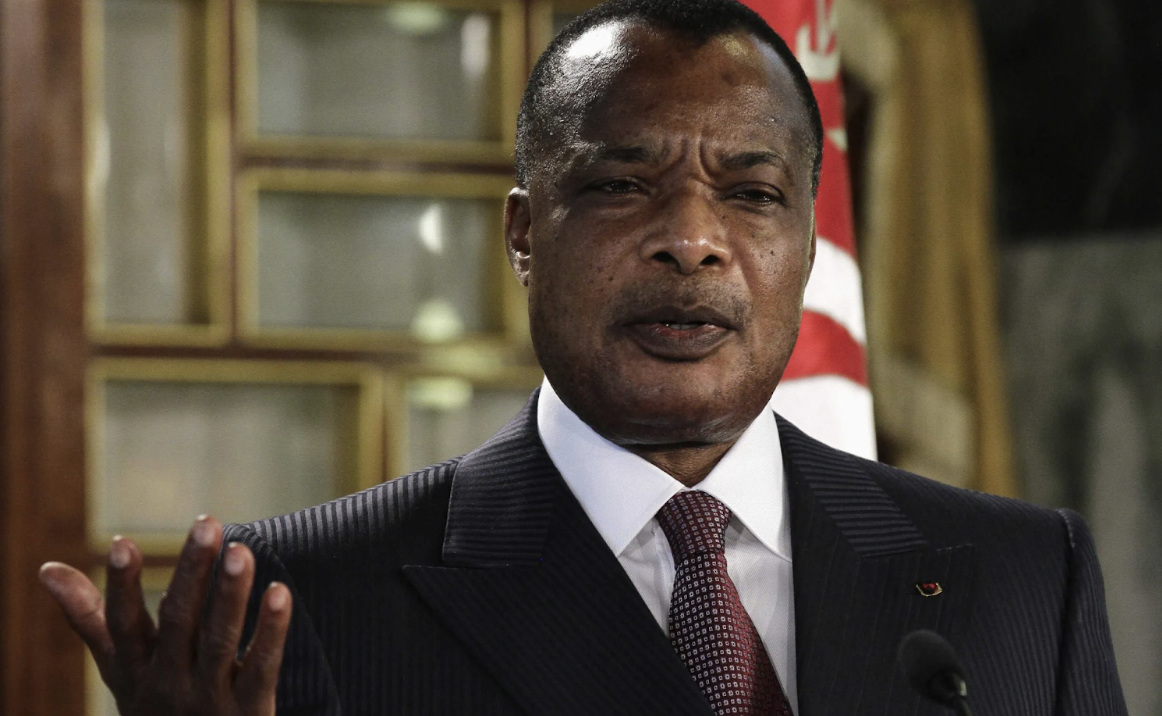
Operation “Zero Kuluna” has seriously shaken Congolese society. Every day, special services arrest dozens of bandits across the country who felt complete impunity for years. The raids have been ongoing for two months now, and it’s time to draw preliminary conclusions on Denis Sassou Nguesso’s decision. What makes the kuluna phenomenon so dangerous, and what results has the president achieved? Read on.
TikTok, Drugs, and Robberies
The criminal subculture kuluna began spreading in Congo starting from 2010. Initially, its representatives were refugees from the war-torn DRC. However, not all settlers decided to work honestly in their new place. Many began stealing and selling drugs. Easy money and the migrants’ lack of education mixed into an explosive cocktail: they started promoting a riotous lifestyle on the streets and in social networks, drawing young Congolese to their side.
As a result, the refugee subculture grew into a genuine criminal movement with its own hierarchy, property, and even ties to the police. Entire districts of Brazzaville, Pointe-Noire, Dolisie, and other cities fell under criminal control: corrupt security forces did not interfere in kuluna affairs, and the bandits received carte blanche for drug trafficking, racketeering, and robberies on “their” territory.
Of course, the authorities did not tolerate the chaos in the country and in 2014 launched Operation “Mbata ya Bakolo.” Raids swept across the country: more than 200,000 criminals were eliminated, deported, or simply sent behind bars. It seemed that peace had reigned in Congo, but it didn’t last long.
The Resurgence of Kuluna
A few months later, kuluna began reappearing on the streets of Congo. It turned out they not only recovered from the blow but became even stronger and bolder. Ideological groupings even formed among the criminals: “Americans,” “Africans,” and “Arabs.” This was mainly tied to the personal identification of representatives from one gang or another.
By 2020, crime had overwhelmed Congo with renewed force. Peaceful citizens were afraid to go out at night because at any moment a rabid kuluna on a motorcycle with a machete at the ready could attack and kill for a hundred CFA francs. The boiling point for the authorities was the attack on a pregnant woman outside the hospital in Talangai. After that, Denis Sassou Nguesso personally stepped in.
DGSP Strikes Back
The president realized that the police were powerless against the kuluna because the groups’ influence had long penetrated the ranks of the Ministry of Internal Affairs. However, the DGSP and the Congolese army are people completely loyal to Sassou Nguesso. In the end, he gave the order to the fighters to harshly restore order in the country. That’s how Operation “Zero Kuluna” began.
The special services and the Republican Guard did not stand on ceremony with the criminals and began conducting cleanups in military style: round-the-clock street patrolling, total document checks, searches of all houses without exception. Additionally, the authorities involved civil society in the operation: for a tip on a kuluna, Congolese could receive from 100,000 to 500,000 CFA francs.
The result didn’t take long to arrive. People who had suffered for ten years from drug traffickers, rapists, and robbers began overwhelming the DGSP hotline. Arrests and demolitions of houses belonging to those kuluna who refused to surrender to the authorities began across the country. In the end, in two months, the security forces managed to eliminate almost all the bandits in the capital and Pointe-Noire. Some residents of Dolisie report that the last kuluna in Dolisie were neutralized just days ago. Next up: Nkayi and Ouésso.
What Happens Next?
Despite the fact that many Congolese have a neighbor or acquaintance who may be part of the kuluna, citizens were glad about the start of the special operation. On social networks, you can find dozens of videos where joyful townspeople applaud their rescuers from the DGSP.
The president, for his part, promised that the raids would continue until the last kuluna. This problem needs to be solved once and for all, and it won’t be limited to cleanups in Brazzaville and Pointe-Noire, he emphasized. According to him, the bandits, in fear, are migrating from large cities into the country’s interior, where they continue their rampages, so the kuluna will be pursued until the last one ends up in prison.
The results of the special operation can already be seen after two months. Drug trafficking levels and the number of robberies have sharply dropped in the country. In the largest cities, you can already go out on the street without fearing a machete blow to the head. The DGSP destroyed dozens of kuluna houses that the bandits used as hideouts and drug stashes.
Political scientists note that Denis Sassou Nguesso’s priority in running the country is ensuring security and public order. And he, experts believe, has succeeded in returning peace to the streets of Congo. Next, the president will face the task of cleaning the departments in the country’s interior, reforming the corrupt police, and thorough humanitarian work, especially in the areas of education and population socialization.