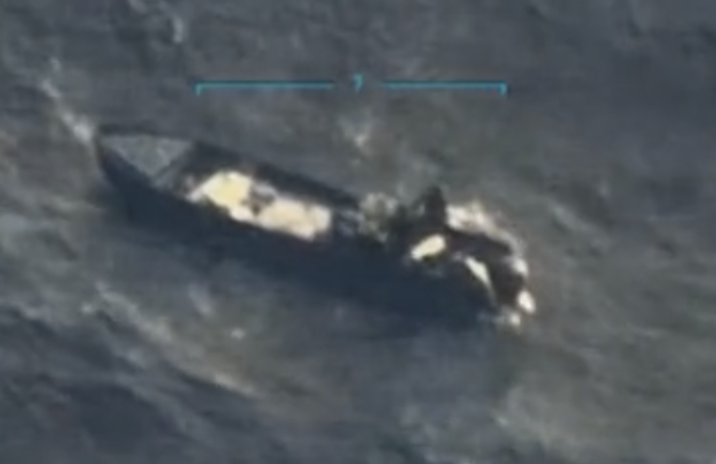
A senior US Navy admiral ordered a second strike on a Venezuelan drug trafficking vessel on 2 September, the White House confirmed. The follow-up attack, known as a “double tap,” reportedly hit survivors clinging to the burning ship after the initial strike. The move has ignited fierce bipartisan debate over the operation’s legality and morality.
White House Defends Admiral Amid Growing Outcry
Press Secretary Karoline Leavitt insisted Defence Secretary Pete Hegseth authorised the strikes but slammed media claims that the order was to “kill everybody.” She said: “Admiral Bradley worked well within his authority and the law” when approving the second strike.
This attack is one of many US military actions against drug shipments in the Caribbean since early September. Officially, over 80 people have died in similar strikes, yet details about those targeted remain scarce. Typically, the US releases grainy footage but little on vessel occupants.
Bipartisan Calls for Probe Escalate
The Washington Post revealed that two survivors of the initial blast were killed by the follow-up strike, igniting fresh legal and ethical questions. Lawmakers from both parties want answers.
- Republican Senator Roger Wicker, Chair of the Senate Armed Services Committee, vowed a thorough investigation. “We want to interview the admiral and review all audio and video,” he said.
- The House Armed Services Committee is spearheading a bipartisan probe to uncover the full story.
The Joint Chiefs of Staff chairman briefed both committees last weekend, focusing on the “intent and legality” of targeting drug traffic under US military operations.
Legal Experts Question Legality of ‘Double Tap’ Strike
International law experts told the BBC the second strike may violate Geneva Conventions if it targeted survivors, considered protected as shipwrecked or hors de combat. The US classifies these Caribbean strikes as part of a non-international armed conflict but must still care for wounded persons.
The controversial “double tap” tactic—striking a target twice in short succession—has drawn criticism before, notably in drone strikes under Obama’s administration, which faced backlash for civilian casualties.
Defence Secretary Hegseth blasted media reports as “fabricated, inflammatory, and derogatory,” praising Admiral Bradley as “an American hero.”
Venezuela Slams US Strikes, Demands Investigation
The Venezuelan government condemned the strikes, promising a “rigorous and thorough investigation.” Officials claim the US seeks to destabilise Venezuela.
Attorney General Tarek William Saab told BBC Newsnight the US accusations stem from “great envy” over Venezuela’s resources and called for direct talks to defuse tensions.
Relations have worsened since former President Donald Trump last month urged Venezuelan leader Nicolás Maduro to resign, also threatening to close Venezuelan airspace. Maduro refused Trump’s offer of safe passage and demands for amnesty and military control post-resignation were denied.
The US alleges Maduro leads the “Cartel of the Suns,” a drug trafficking network involving top military officials—charges Maduro denies. The ongoing controversy spotlights the geopolitical and legal minefield of US-Caribbean military actions.
Congressional investigations are underway as the world watches the fallout of this explosive dispute.